Tactical vs Utility Military Knives: Which One Do You Need?
When most people go searching for a military-style blade, they fall into one of two camps. The first group wants a knife that looks like it just came off a battlefield: rugged, aggressive lines, heavy-duty steel, and a grip that means business. The second group wants something they can actually use daily—something capable of carving, slicing, notching, scraping, and performing a hundred small tasks without fail. In other words, they’re debating between a tactical knife and a utility knife. And in a market overflowing with options, marketing jargon, and imported steel, it’s easy to feel overwhelmed.
That’s why understanding the difference between a tactical military knife and a utility military knife matters. And it’s why companies like Stroup Knives, makers of premium Made in USA veteran-owned knives, stand out in a world filled with cheap, mass-produced blades pretending to be field-ready tools.
This guide breaks down everything a buyer needs to know—practical functionality, blade geometry, real-world application, durability, and the craftsmanship behind a company that forges some of the strongest veteran-owned knives in the country.
Defining a Tactical Military Knife
A tactical knife is built for one mission: give the user immediate, decisive capability when the situation demands it. These knives originated from combat requirements—fast deployment, strong tips for piercing, reinforced spines for prying, and aggressive geometries that prioritize strength and stopping power.
Key Features of Tactical Knives
-
Blade Geometry for Combat
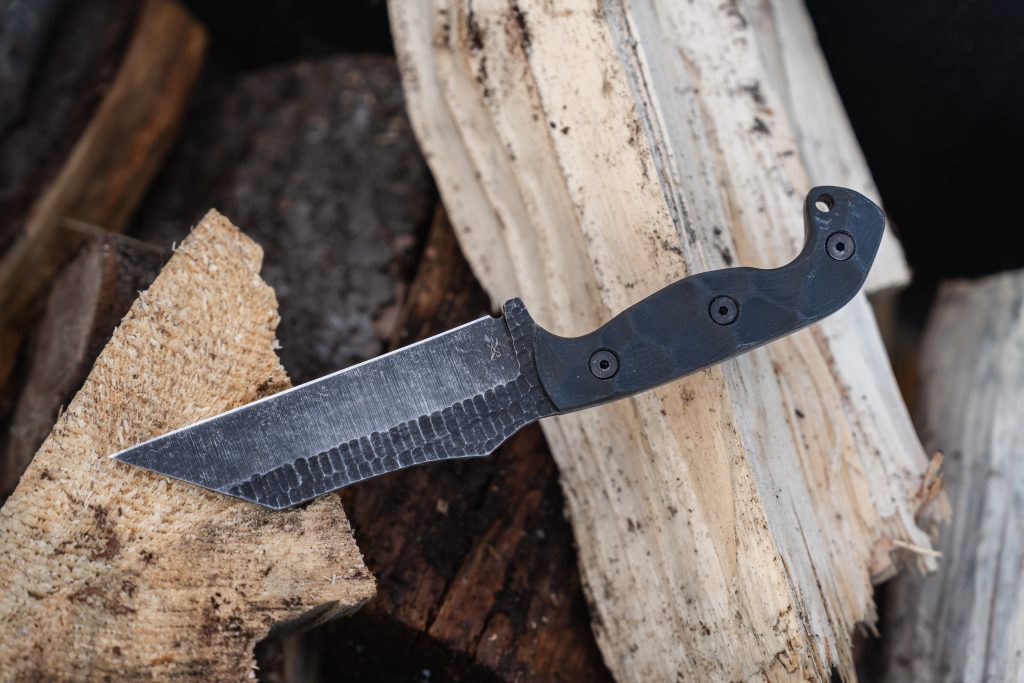
Tactical knives often feature tanto, spear point, or clip-point blades. These tip-heavy designs offer exceptional penetration strength. The purpose is straightforward: when force must be applied, the blade cannot fail. -
Thick Spines and Reinforced Tips
A real tactical blade can handle the kind of torque that would snap a weaker knife in half. Battlefield demands are unforgiving, which is why companies like Stroup Knives overbuild their tactical models using hand-ground high-carbon steel. -
Ergonomics for Gloved or Wet-Hand Use
The handle design usually includes pronounced texturing, finger stops, and edge control considerations. Tactical grips are designed for secure retention no matter what conditions you’re in. -
Rapid Deployment & Defensive Utility
Tactical knives are designed for fast access—many include sheaths optimized for quick draws, chest rigs, or MOLLE mounting options.
In short, a tactical knife is purpose-built for high-stress, high-risk environments. If you’re choosing between tactical or utility for serious defensive applications, tactical is the clear choice.
Defining a Utility Military Knife
Where tactical knives prioritize combat readiness, utility knives focus on versatility and everyday function. These blades are designed to tackle fieldwork: cutting rope, prepping wood, slicing through material, clearing brush, and completing mundane—but essential—tasks.
Key Features of Utility Knives
-
General-Purpose Blade Shapes
Drop point and sheepsfoot profiles dominate utility designs because they offer excellent control and slicing capability. These profiles allow the user to carve, process material, notch wood, and perform tasks that require precision. -
Full Tang Strength Without Excess Bulk
Utility knives need to be durable but not overly heavy. The best veteran-owned knives strike this balance perfectly—solid tang construction with ergonomic weight distribution. -
Comfort and Long-Term Use
Utility knives often feature smoother, less aggressive grips since they’re meant for extended use. Comfort is not an afterthought. -
Versatile Sheath Systems
Utility knives often include belt or pack sheaths designed for ease of carry rather than instant deployment.
If your everyday needs revolve around actual function—camping, hiking, fieldwork, EDC tasks, or general preparedness—a utility knife is a must-have.
Tactical vs Utility: Which One Do You Need?
Choosing between tactical and utility knives comes down to purpose. Here’s a practical breakdown:
Choose a Tactical Knife If:
-
You want maximum durability and strength.
-
You require defensive or emergency capability.
-
You expect to apply heavy force or handle breaching-type tasks.
-
You prioritize aggressive tip strength.
Choose a Utility Knife If:
-
You want a dependable everyday tool.
-
You do more slicing, carving, and fine tasks than prying or thrusting.
-
You’re building a survival kit, bug-out bag, or outdoor gear lineup.
-
You want the most versatile option for general use.
Many buyers mistakenly assume they “need” tactical simply because the word sounds tough. But in reality, most people use a knife for tasks far removed from combat. Understanding your real-world usage is critical.
Where Stroup Knives Excels in the Tactical vs Utility Debate
Stroup Knives has built a reputation for producing veteran-owned knives that outperform mass-produced blades in both categories. Every knife is 100 percent Made in USA by a veteran craftsman who has lived the environments these blades are built for.
Stroup Tactical Knives
Stroup’s tactical lineup includes models with aggressive edge geometry, reinforced spines, and combat-forward balance. These knives are forged with real-world tactical feedback, not theoretical design trends. They’re designed for those who rely on their tools when everything is on the line.
Stroup Utility Knives
Stroup also excels in practical, everyday-duty blades—models that blend rugged durability with slicing efficiency. Whether carving, camp work, prepping materials, or day-to-day field tasks, these knives deliver performance without compromise.
The advantage is clear: when you buy Stroup Knives, you’re investing in veteran-owned knives forged by someone who understands exactly what a knife must handle in real conditions.
The Veteran-Owned Knives Advantage
There’s a reason so many professionals trust blades built by veterans. Veteran-owned knives come with a mindset that mass-produced overseas blades simply can’t replicate.
Veterans understand:
-
How blades perform under stress
-
What features matter in life-or-death moments
-
How gear must withstand unpredictable environments
-
The difference between marketing gimmicks and dependable construction
This is why the demand for Made in USA veteran-owned knives continues to grow every year.
Construction Differences: What a Bladesmith Sees
A seasoned bladesmith can spot the differences in a blade immediately. Heat treat quality, edge geometry, and steel selection determine everything from durability to edge retention.
Stroup Knives uses high-carbon steel with a heat treat process optimized for resilience and field performance. A blade’s durability is determined more by heat treat than steel type, and veteran-owned knives like Stroup’s benefit from years of hands-on testing.
Everyday Carry: Tactical or Utility?
Most users—civilians included—will get more mileage from a utility blade than a tactical one. But if you want a knife that can perform beyond basic tasks, tactical models shine.
Think about your daily environment:
-
Office, home, workshop = utility
-
Defensive preparation, emergency response, security roles = tactical
-
Outdoor survival or mixed use = hybrid options like many Stroup Knives
Conclusion: Purpose Over Trend
Don’t choose a knife because it looks aggressive. Don’t choose one because an ad told you it was “tactical.” Choose a knife that matches your needs, your mission, and your environment.
If you want the best of both worlds—durability, slicing performance, combat readiness, and everyday utility—look to companies that build knives with authenticity. Stroup Knives, with its lineup of Made in USA veteran-owned knives, sets the standard for blades that perform exactly as promised.
No matter which category you choose, if your blade comes from a company forging true American veteran-owned knives, you’re already ahead of the game.