How Vietnam War Combat Knives Changed Survival Tactics
The Vietnam War marked one of the most tactically complex combat environments American forces had ever fought in. From thick triple-canopy jungle to monsoon-soaked rice paddies, soldiers were confronted with an enemy who knew the terrain intimately and fought with unrelenting adaptability. Rifles rusted, boots rotted, and gear that had served well in Europe and Korea suddenly proved inadequate. But one tool became more essential than almost anything besides ammunition: the combat knife.
More than a backup weapon, more than a last-ditch defensive blade, the Vietnam-era combat knife evolved into a survival tool—one that shaped everything from recon tactics to fieldcraft improvisation. And today, modern American makers, especially veteran-owned knives brands like Stroup Knives, carry forward that heritage of dependability and Made in USA craftsmanship forged in the jungles of Southeast Asia.
This article dives into how Vietnam War combat knives fundamentally changed survival tactics, why these blades mattered, and how that lineage lives on in today’s veteran-owned knives market—particularly through the mission-driven work of Stroup Knives.
The Vietnam War Force-Evolved Knife Design and Use
Vietnam was a war of ambushes, short engagements, and long treks through hostile jungle. In such an environment, a soldier’s blade needed to do far more than cut rope or serve as a bayonet alternative. It needed to clear brush, dig fighting positions, sever vines, probe for punji traps, open crates, pry crates, extract stuck ammunition, and function as the most reliable tool a man carried.
The environmental challenges were relentless. High humidity corroded carbon steels in days. Leather sheaths absorbed moisture, rotted, and mildewed. Constant movement through tight vegetation dulled factory edges almost immediately. And close-quarters combat, particularly in tunnel systems where firearms could not be maneuvered effectively, required blades that were fast, reliable, and lethal when necessary.
In short, Vietnam demanded knives that were more versatile, more rugged, and more adaptable than anything the U.S. military had previously issued.
Standard-Issue Knives Weren’t Enough
Early in the war, many soldiers carried familiar blades like the WWII-era KA-BAR. While iconic and legendary for Marines in previous conflicts, that design was never intended for the thick, damp, unforgiving jungle. Leather handles swelled and split. The stacked washers grew slick when wet and offered poor grip under sweat or monsoon rain. And the blade’s geometry, designed for all-purpose field use, struggled with bamboo, dense vines, and hardwood growth.
Troops quickly learned that they needed something else. Something stronger. Something purpose-built. Something closer to what today’s veteran-owned knives makers understand instinctively—tools designed by those who’ve lived the need.
Improvised, Field-Modified, and Locally Made Blades
One of the most fascinating aspects of Vietnam combat knife history is how creative American troops became.
Many soldiers reshaped their blades using makeshift grinding wheels on base. They sharpened different edge angles to cut through jungle vegetation more efficiently. They stripped leather handles and replaced them with cord wrap. Some sought out local blacksmiths—Vietnamese craftsmen with deep metallurgical traditions—to forge custom blades that blended Eastern and Western design features.
These blades became deeply personal artifacts, tailored to the individual soldier’s needs. Modern custom knife culture owes much of its DNA to this era, and the surge of veteran-owned knives companies reflects that spirit of personalization and function-first design.
Iconic Vietnam-Era Combat Knife Designs
While improvisation was common, several knives became standouts during the Vietnam War for their performance and reliability.
The USAF Survival Knife
Originally issued to airmen, this knife found its way into infantry hands. Its sawback spine, hammering butt, sturdy guard, and durable construction made it invaluable.
MACV-SOG Bowie Knife
Designed for Special Forces units conducting covert operations, this blade featured a razor-sharp clip point, a fast profile, and a handle that maintained grip even when soaked. It was one of the deadliest close-quarters tools of the war.
Gerber MK II
A double-edged fighter with a sleek, aggressive geometry. Fast in the hand, purpose-built for close engagements, and one of the most recognizable Vietnam-era combat knives.
Each of these blades influenced what modern American makers, including veteran-owned knives brands, now produce—functional fighting and survival hybrids that refuse to fail under pressure.
How Vietnam Knives Changed Survival Tactics
The employment of knives in Vietnam reshaped how American soldiers thought about survival. Blades were no longer just tools—they were multipurpose, life-saving assets.
Silent Movement and Close Combat
Knives allowed soldiers to move silently through enemy territory, cut vines without giving away their position, and handle close encounters when firearms were impractical.
Trap Detection and Clearing
Punji pits, trip wires, and improvised booby traps were everywhere. A knife became a probe, a disarming tool, and a lifesaving instrument in enemy-rigged terrain.
Shelter Building and Fieldcraft
Knives were used to carve stakes, fashion shelters, build stretchers, and shape bamboo into tools and weapons.
Water and Food Procurement
From cutting edible plants to preparing game, knives were indispensable for maintaining basic sustenance during extended operations.
Escape and Evasion
In evasion situations, knives became tools for cutting restraints, clearing small escape paths, or creating improvised survival gear.
Modern survival schools still teach techniques rooted in Vietnam-era lessons, and veteran-owned knives manufacturers incorporate those insights today.
Modern Combat Knives Carry Vietnam’s DNA
Today’s tactical blades—especially those coming from veteran-owned knives companies—reflect decades of learning forged in war. You see that legacy in:
-
Corrosion-resistant steels designed for wet environments
-
Synthetic handle materials that won’t rot or slip
-
Non-reflective finishes
-
Simple, strong geometries
-
Lightweight, fast, aggressive profiles
-
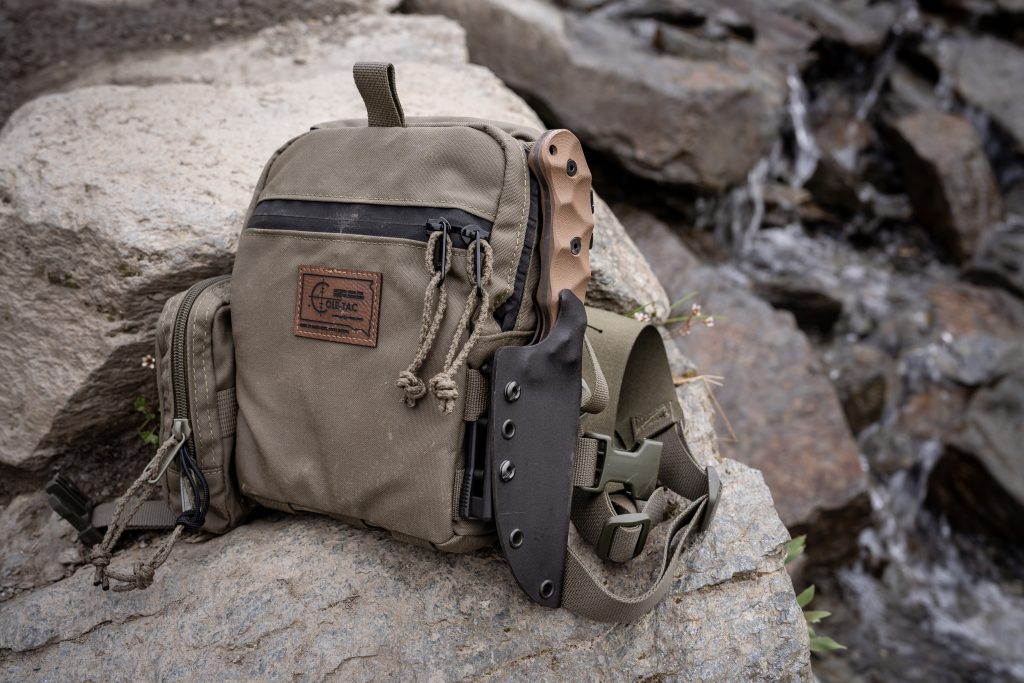
Sheaths modified for jumping, MOLLE attachment, and rapid deployment
Nowhere is this evolution more visible than in the Made in USA blades produced by Stroup Knives.
Stroup Knives: The Modern Expression of Vietnam’s Lessons
Stroup Knives, created and led by a U.S. Army veteran who understands real-world combat needs, exemplifies the continuation of Vietnam’s tactical knife legacy. Every blade—100% Made in USA—is hand-ground, purpose-driven, and ready for extreme field conditions.
What makes Stroup Knives stand out among veteran-owned knives is that the designs come from lived experience. They aren’t theoretical. They aren’t inspired by video games or fiction. They’re built for fighters, outdoorsmen, survivalists, and anyone who demands reliability when it counts.
The rugged simplicity, the combat-ready geometry, and the durability of these knives echo the same priorities soldiers had in the Vietnam jungle: a blade must work when everything else fails.
Why Supporting Veteran-Owned Knives Matters
Choosing veteran-owned knives is more than a purchasing decision—it’s an alignment with authenticity, craftsmanship, and the accumulated knowledge of those who’ve carried real blades in real conflict. Veterans understand:
-
The physics of a fight
-
The stress of uncertain environments
-
The frustration of gear failure
-
The need for dependable tools
Stroup Knives reflects those principles in every American-made blade.
Conclusion
Vietnam changed everything. It forced American forces to rethink survival, reimagine fieldcraft, and redesign the combat knife into a multi-role tool capable of enduring the harshest environments. Today, companies like Stroup Knives—true Made in USA producers of veteran-owned knives—stand as the inheritors of that legacy.
From the mud-soaked jungles of Southeast Asia to modern battlefields and home-front preparedness, the lessons are clear: a reliable blade is more than steel. It is survival. It is confidence. It is history forged into purpose.
And through the craftsmanship of veteran-owned knives makers like Stroup Knives, the lineage of Vietnam’s survival tactics lives on—sharper than ever.