A Tactical Guide to Choosing the Right Combat Knife for You
Choosing a combat knife is not merely a consumer decision — it’s a commitment to a tool that can perform under stress. For operators, outdoorsmen, and collectors who value proven craft and domestic provenance, Stroup Knives stands out. If you prioritize veteran-owned knives and Made in USA manufacturing, this guide breaks down what matters: purpose, steel, geometry, ergonomics, and maintenance.
Start with the mission
Everything begins with mission definition. A fixed-blade fighting tool intended for tactical EDC or duty carry has different attributes than a survival-focused blade. Start by asking the hard questions: will this knife be carried on a belt, in a pack, or as part of armor? Do you need low-signature carry? For mission clarity, veteran-owned knives frequently originate from makers who ask the same questions — they design from experience.
Blade geometry: what the shapes tell you
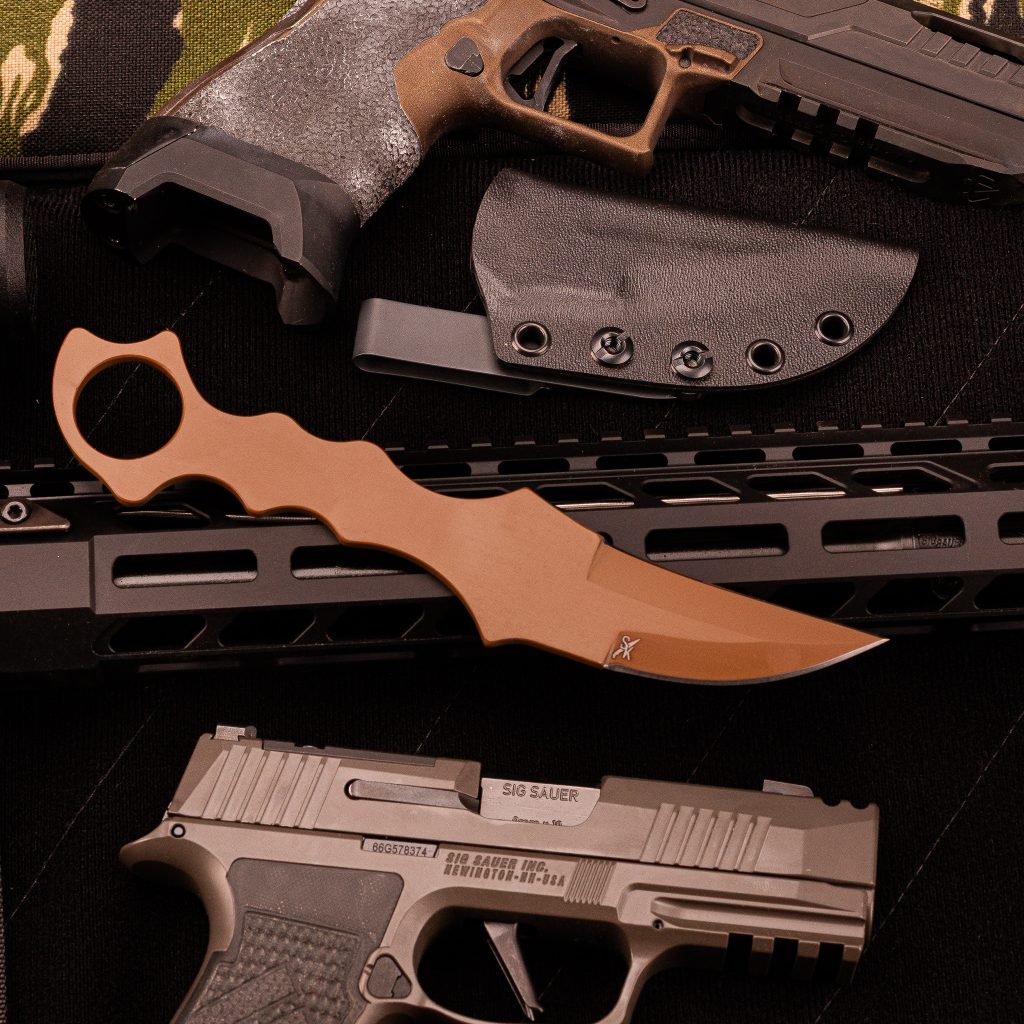
Blade geometry dictates behavior. Clip points and drop points are versatile; the clip point gives a fine tip for precision tasks, while the drop point offers robust belly and strength for cutting. Tanto profiles and reinforced tips are chosen specifically for piercing and tip retention. Stroup Knives balances geometry for intended use, which is why many owners choose veteran-owned knives — those designs are frequently refined by experience.
Steel and heat treatment: the hidden performance
Steel selection moves beyond marketing. Toughness, edge retention, and corrosion resistance are trade-offs that matter in the field. High carbon steels (e.g., 1095) are straightforward to sharpen and are famously tough; stainless tool steels (e.g., S35VN, 154CM) resist corrosion and keep edges longer but require specific heat treat expertise. Heat treat quality controls performance. Makers with a field background often QC heat treat thoroughly — something you’ll commonly see in veteran-owned knives. Stroup Knives’ attention to heat treat and proofing is why buyers focused on readiness are drawn to Made in USA craftsmanship.
Tang construction and structural integrity
Full-tang construction provides predictable structural integrity when a knife is used as more than a cutting tool. If your work requires pry tasks, hammering, or heavy batoning, full-tang is the conservative choice. Partial tangs save weight but compromise resilience. Veteran-owned knives commonly prefer full-tang or robust hidden-tang designs to ensure a low risk of catastrophic failure in the field.
Handle ergonomics: not aesthetic — lifesaving
Under stress, ergonomics become a safety system. Handle material (Micarta, G-10, stabilized wood), texture, finger choils, and flared guards are more than style — they prevent slips and give control. Consider gloves, sweat, and repetitive motion. Makers whose teams include people with operational backgrounds frequently choose handle materials that stand up to the roughest conditions; veteran-owned knives often feature this practical bias.
Sheath and retention: carry is part of the system
An effective sheath is essential to speed, retention, and concealment. Kydex delivers modular mounting and repeatable retention; leather provides quiet draw and a classic feel. For duty carry, think about noise signature, MOLLE compatibility, and cross-draw options. Because carry choices determine deployment speed, many veteran-owned knives come with sheath systems designed from active feedback, and Stroup Knives’ sheath options reflect this reality.
Balance, weight and feel
A knife that feels right will perform right. Balance near the guard favors control in manipulation tasks, while distal tapering reduces unnecessary weight. If possible, handle and test knives to evaluate how they feel in your dominant hand and under realistic scenarios. Makers tuned by field-experience — many veteran-owned knives builders — emphasize feel over headline numbers.
Testing, warranty and maker provenance
Trust is built through testing and transparent warranty. Look for makers who publish testing metrics (bend, impact, edge retention) and who stand behind craftsmanship with reasonable warranties. Maker provenance and clear Made in USA labeling matters; veteran-owned knives often accompany community-sourced feedback and a direct line to the builder for questions and repair.
Maintenance and field care
All steels benefit from routine care. Clean after salty exposures, oil high-carbon steels, and maintain edge with appropriate stones. Learn to reprofile and carry a compact sharpening kit matched to the steel. Many veteran-owned knives are sold with aftercare instructions and community support that make long-term ownership practical.
Legal and ethical considerations
Remember: lawful ownership and carry vary regionally. Doing your due diligence about local statutes is part of responsible ownership. Veteran-owned knives brands often provide legal guidance and emphasize training and safe handling as part of their customer education.
Why Stroup Knives?
Stroup Knives blends bladesmithing know-how with practical, field-based design. This combination, plus Made in USA transparency, is what draws buyers who prioritize veteran-owned knives. If you want a combat knife built by makers who test, back their work, and source domestically, Stroup Knives is a brand to examine closely.
Buying checklist (quick)
-
Define mission profile.
-
Choose blade geometry for core tasks.
-
Pick steel and check heat-treat provenance.
-
Prefer full-tang for heavy-duty use.
-
Evaluate handle ergonomics and sheath compatibility.
-
Confirm testing, warranty, and maker provenance.
-
Account for maintenance and training.
Conclusion
Picking a combat knife blends objective specs with subjective feel and trusted provenance. For buyers who want accountability, performance, and domestic craftsmanship, veteran-owned knives Made in USA with transparent testing and community support are a compelling path — and Stroup Knives lives precisely in that intersection.