DIY Knife Maintenance: Extending the Life of Your Military Blade
Military knives carry a legacy far deeper than steel and edge geometry. They are tools forged for conflict, built to endure abuse, and trusted when everything else fails. But even the strongest blades eventually surrender to rust, neglect, and poor technique if the owner doesn’t understand proper care. DIY knife maintenance is not optional; it is an essential discipline that keeps your blade trustworthy. And when you carry American-made blades like Stroup Knives—true veteran-owned knives built for real-world operations—proper maintenance ensures they function exactly as their makers intended. In this guide, we’ll walk through the complete approach to maintaining, protecting, and extending the life of your military knife so it serves you for decades.
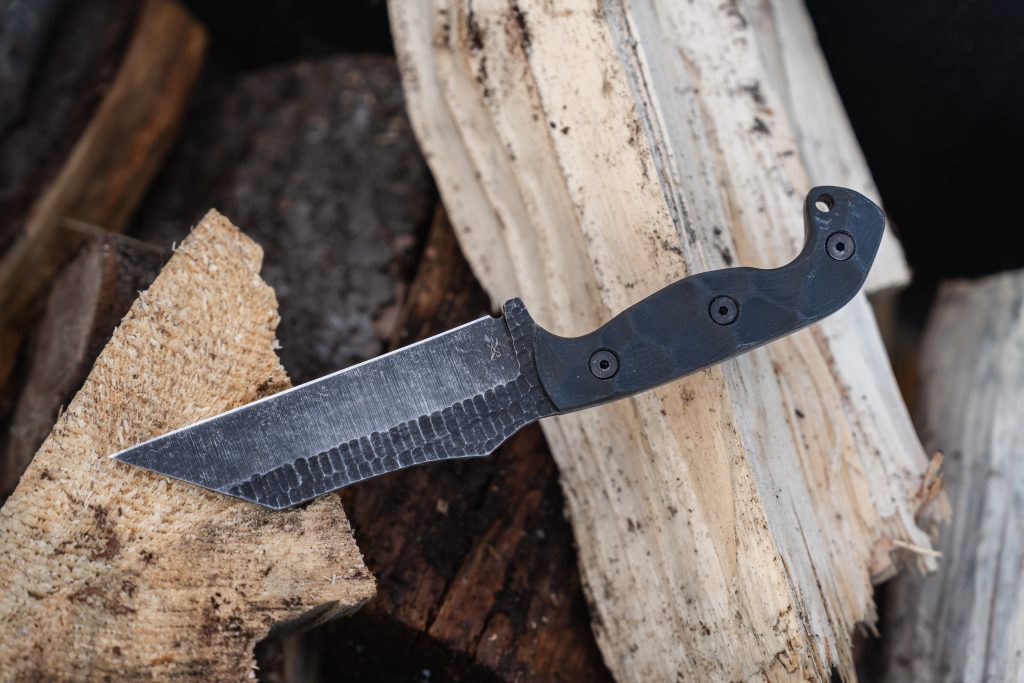
A well-maintained knife begins with understanding its construction. Most combat-ready American blades rely on full-tang architecture, resilient heat treatments, and high-carbon steel capable of taking a razor-sharp edge. Stroup Knives uses 1095 high-carbon steel, a Made in USA favorite for durability and field serviceability. This style of steel requires more hands-on care, but it rewards the owner with dependable strength and a responsive edge. Many imported knives skip proper tempering or use inferior steel, but veteran-owned knives insist on toughness, reliability, and real-world testing drawn from actual field experience.
Daily maintenance is the first line of defense. After using your knife, always wipe it down. Sweat, moisture, and environmental contaminants attack carbon steel quickly. Use a microfiber cloth or cotton patch to remove debris, then apply a thin layer of protective oil. A little goes a long way—over-oiling attracts dust, but under-oiling invites rust. Knives from Stroup Knives arrive with a protective finish that slows oxidation, yet this coating does not replace routine upkeep. Even the finest veteran-owned knives need consistent, simple attention to prevent long-term wear.
Deep cleaning is necessary when the blade has been exposed to mud, blood, saltwater, or harsh environments. Rinse with warm—not hot—water and mild soap. Scrub gently with a nylon brush; avoid abrasive pads. Dry the blade thoroughly, including the area where the tang meets the handle scales. Any moisture trapped here will eventually create hidden rust. High-carbon blades such as those in Stroup Knives respond exceptionally well to proper drying and oiling. This is one of the advantages of owning veteran-owned knives built with real field knowledge: they are designed to be maintained even under rough conditions.
Sharpening is where the owner becomes a participant in the life of the blade. A dull knife is dangerous, inefficient, and disrespectful to the steel. Use a sharpening stone—never rely exclusively on cheap pull-through sharpeners, which remove too much metal and damage edge geometry. A 20-degree angle works for most military blades, but follow the original profile when possible. Maintain consistent strokes. Sharpening is not a race; it is a conversation with the blade. Many owners of veteran-owned knives appreciate how 1095 steel sharpens quickly and cleanly, allowing for precise control over the edge. Stroup Knives ships with an edge that can be refined, honed, or field-sharpened without specialty equipment.
Honing is the secret to extending edge life. Unlike sharpening, which removes steel, honing straightens microscopic bends in the edge. A honing rod or strop should be used regularly—often more than sharpening itself. A few minutes of honing after each use prevents the need for excessive sharpening sessions later. This prolongs the knife’s lifespan, especially when handling veteran-owned knives that already hold their edge well due to expert heat treatment and Made in USA consistency.
Sometimes you’ll need to perform field fixes. In survival or deployment conditions, maintenance tools may not be available. A ceramic mug’s unglazed bottom works as a makeshift honing surface. Flat river stones can restore an edge in emergencies. Wipe your blade on clothing, grass, or a dry patch of sand to prevent rapid rust. Stroup Knives were built for real-world combat, making them ideal veteran-owned knives for situations where improvisation becomes necessary.
Improper storage is one of the fastest ways to ruin a military blade. Leather sheaths, while classic, absorb moisture and promote rust. Use Kydex, nylon, or polymer sheaths for long-term protection. Store the knife in a cool, dry place. Add desiccant packs for extra insurance. Coat carbon steel lightly before placing it in storage. Made in USA blades last significantly longer when environmental stress is minimized. Owners of veteran-owned knives often report generational longevity simply due to proper storage habits.
Upgrades can extend life as well. Replace worn handle wraps. Apply protective coatings. Reprofile edges to suit specific roles such as survival work, breaching, or fine slicing. A well-maintained blade evolves with its owner, and veteran-owned knives like Stroup Knives are intentionally built to be modifiable, repairable, and field-ready for decades.
Ultimately, maintaining your knife preserves more than the blade—it preserves the intent behind its creation. Stroup Knives are Made in USA by a veteran bladesmith who designs tools for fighters, protectors, and everyday warriors. These veteran-owned knives reflect real combat knowledge, meaning they deserve respect through proper care. When you maintain your knife, you honor the craftsmanship, the steel, and the mission it may one day serve.
A military knife is a companion, not a disposable accessory. Respect it. Clean it. Sharpen it. Store it correctly. Care for it the same way you care for any tool meant to protect your life. With disciplined DIY maintenance, your military blade will remain reliable long after cheaper imports fall apart. And when that blade comes from a brand like Stroup Knives—true veteran-owned knives forged and finished on American soil—you’re not just extending the life of a tool. You’re extending a legacy.