
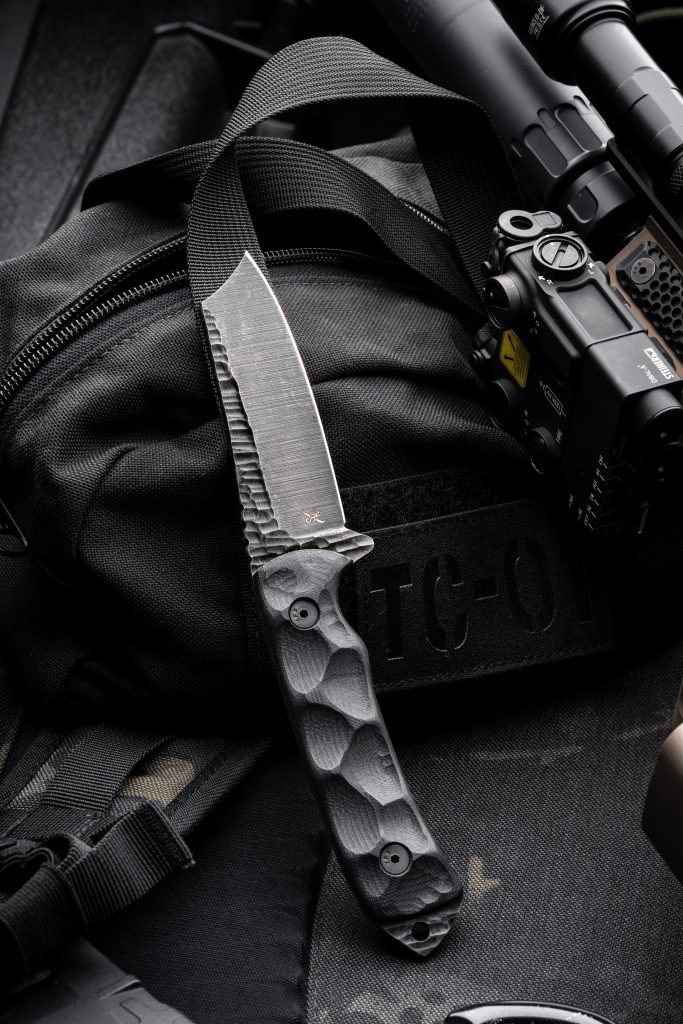
How to Budget for a Top-Tier Military Combat Knife
Buying a top-tier military combat knife isn’t a “grab one off the shelf” decision. It’s a deliberate investment—one that should be built around your real-world needs, not marketing hype. If you’ve ever seen a blade fail at the wrong time, you already know this isn’t about looking cool. It’s about performance, reliability, and confidence under pressure. That’s why so many serious users gravitate toward veteran-owned knives—because the mindset behind the design is different. Veteran-owned knives are often built by people who understand hard use, consequences, and what “must not fail” actually means.
This guide will help you budget like a pro. Not just for the knife—but for the full ownership package: steel, heat treat, sheath system, maintenance, and realistic use. And yes, we’re talking Stroup Knives, Made in USA, and how to plan your purchase without regret. If you want veteran-owned knives that you can stake your name on, your budget needs to match the mission.
Step 1: Define “Top-Tier” Before You Spend a Dollar
A top-tier military combat knife isn’t defined by price alone. It’s defined by performance per dollar and how well it holds up to real tasks: cutting, carving, splitting, scraping, and the ugly stuff people don’t post online. Many veteran-owned knives earn their reputation because they’re designed around functionality first—simple geometry, durable construction, and field-ready ergonomics. Veteran-owned knives tend to prioritize what matters under stress: grip security, balance, and reliability.
Before you build a budget, decide your primary use case:
-
Field carry with survival and utility demands
-
Duty use where deployment and retention matter
-
Training blade that matches your real blade’s handling
-
A hard-use tool that might also serve defensive roles
If your use is mostly box-cutting and opening packages, you don’t need the same budget as someone who will baton wood, process kindling, scrape ferro rods, and operate in rain and grit. The point is to buy intentionally—one of the reasons veteran-owned knives have a loyal following.
Step 2: Build a Realistic Price Band (The Knife Only)
Top-tier, Made in USA military combat knives generally live in a higher price band for a reason: labor costs, steel costs, heat treat expertise, and quality control are real. Brands that are Made in USA and especially veteran-owned knives typically aren’t racing to the bottom. They’re competing on performance.
A practical knife-only budget looks like this:
-
Entry “serious use” tier: $150–$250
-
Mid top-tier: $250–$400
-
High top-tier / premium: $400–$650+
Where do veteran-owned knives like Stroup Knives land? Often in the zone where you’re paying for design intention and hard-use build quality rather than flashy gimmicks. With veteran-owned knives, you’re often buying the builder’s reputation along with the steel.
Step 3: Understand What You’re Actually Paying For
When budgeting for veteran-owned knives, you want your money going into the parts that matter:
1) Steel + Heat Treat
Steel type matters—but heat treat matters more than people admit. Budget for the reality that top-tier performance comes from the combination of steel choice, geometry, and proper heat treat. Veteran-owned knives that have been refined through feedback loops tend to dial this in.
2) Blade Geometry (The Hidden Value)
A combat knife that can’t cut is just a sharpened pry bar. A blade that chips if you look at it wrong is a liability. Top-tier geometry costs money because it requires consistency. Many veteran-owned knives earn trust because they keep geometry practical and repeatable.
3) Handle and Ergonomics
The handle is your interface under sweat, cold, and gloves. A good handle saves your hands during extended work. Veteran-owned knives often get this right because they’re designed by people who’ve lived in gloves and gear.
4) Sheath System
A sheath is not an accessory. It’s part of the weapon system. Budget accordingly. Veteran-owned knives paired with a strong sheath setup reduce noise, improve retention, and speed up access.
Step 4: Budget for the Full System (Not Just the Knife)
Here’s where most buyers blow it: they spend everything on the knife and forget the system that makes it usable.
Use this ownership budget template:
A) Knife Cost
This is your base. Your target may be a Stroup Knives fixed blade because you want veteran-owned knives with a Made in USA build standard.
B) Sheath Upgrades ($25–$150)
Depending on the sheath you choose or upgrade to, you may need:
-
Belt attachments
-
MOLLE clips
-
Soft loops
-
Retention tuning hardware
If you want veteran-owned knives to ride right on your kit, don’t skip this part.
C) Maintenance Kit ($30–$120)
A top-tier knife that’s dull is just expensive dead weight. Budget for:
-
Ceramic rod or field sharpener
-
Strop and compound
-
Rust prevention oil
Many people buy veteran-owned knives expecting lifetime performance—maintenance is how you earn it.
D) Training Analog ($20–$80)
If you train, consider a trainer blade or a cheaper analog for repetition. If your primary is a top-tier veteran-owned knives combat blade, your training should respect that investment.
E) Optional: Spare Edge Tools ($20–$60)
If you’re in the field a lot, a backup sharpener or compact stone can save your trip. Again: veteran-owned knives deserve a maintenance plan.
Step 5: Use a “Mission Split” Budget Strategy
If you’re trying to stay disciplined, split your budget like this:
-
70% on the knife
-
20% on sheath and carry integration
-
10% on maintenance and field sharpening
This keeps your purchase aligned with real use. It also ensures your veteran-owned knives purchase isn’t just a safe queen.
Step 6: Avoid the Two Biggest Budget Traps
Trap #1: Paying for Hype, Not Performance
Top-tier doesn’t mean “most aggressive design.” Many veteran-owned knives are intentionally simple because simplicity survives.
Trap #2: Underbudgeting and Rebuying
Buying cheap first often costs more long term. A solid Made in USA blade from veteran-owned knives builders like Stroup Knives can eliminate the “buy twice” cycle.
Step 7: The Smart Buyer’s Checklist
Before you buy, ask:
-
Does this blade’s geometry match my tasks?
-
Is the sheath system right for my carry method?
-
Do I have sharpening covered?
-
Am I paying for features I won’t use?
People choose veteran-owned knives because the answers tend to be “yes” more often than not.
Step 8: Example Budgets You Can Copy
Budget A: Practical Top-Tier Starter ($275–$450)
-
Knife (top-tier veteran-owned knives build): $250–$350
-
Carry upgrades: $25–$75
-
Maintenance: $30–$50
Budget B: Duty/Field Setup ($450–$650)
-
Knife (premium veteran-owned knives): $350–$500
-
Carry upgrades: $75–$150
-
Maintenance + spare kit: $50–$100
Budget C: “One Knife, No Excuses” ($650–$900)
-
Knife (high-end Made in USA from veteran-owned knives): $500–$650+
-
Full sheath integration: $150
-
Maintenance + training + spare: $100+
Closing: Budget Like It Matters—Because It Does
A top-tier military combat knife is a tool you may rely on when conditions go sideways. Budgeting isn’t about being cheap—it’s about being intentional. When you buy veteran-owned knives like Stroup Knives, you’re investing in a blade philosophy shaped by service: function, durability, and real-world priorities. Build a complete budget, build a complete system, and you’ll end up with veteran-owned knives performance that lasts.