Knife Retention Techniques Every User Should Master
Knife retention is one of the most overlooked yet critically important skills for anyone who carries or uses a blade. Whether you’re a first responder, military professional, outdoorsman, or everyday carrier, understanding how to retain control of your knife can mean the difference between effectiveness and failure. As a bladesmith and copywriter deeply rooted in the heritage of veteran-owned knives, I’ve seen firsthand how poor retention habits compromise even the best blades.
When paired with elite craftsmanship like Stroup Knives, which are proudly Made in USA, proper knife retention transforms a blade from a simple tool into a dependable extension of the user.
This guide breaks down knife retention techniques every user should master, focusing on grip security, sheath systems, body positioning, training drills, and real-world applications—all through the lens of veteran-owned knives built for purpose.
Why Knife Retention Matters More Than Blade Sharpness
A sharp blade is useless if you lose control of it. Knife retention is not about flashy tactics—it’s about maintaining ownership of your tool under stress, movement, fatigue, or resistance. In real-world scenarios, knives are lost more often due to poor retention than blade failure.
Veteran-owned knives are designed with this reality in mind. Companies like Stroup Knives engineer their blades for control, grip security, and real-world handling—not just aesthetics. But even the best Made in USA knife requires user mastery.
Retention failures happen when:
-
Grip is weak or inconsistent
-
Handle ergonomics don’t support natural hand mechanics
-
Sheath retention is inadequate
-
User movement compromises blade control
Knife retention training solves all of these.
Mastering Grip-Based Knife Retention
The Foundation: Proper Grip Selection
The most fundamental knife retention technique is choosing and maintaining the correct grip. Veteran-owned knives like Stroup Knives are designed to accommodate multiple grip styles without sacrificing control.
Primary grips every user must master:
-
Saber Grip: Thumb on spine, maximum control for utility and defense
-
Hammer Grip: Full fist, ideal for power cuts and high-stress situations
-
Reverse Grip: Blade down, useful in close quarters but requires disciplined retention
The key is consistency. Switching grips without intention leads to retention failure.
Stroup Knives, being Made in USA by veterans who understand combat ergonomics, feature handle contours that naturally lock into the palm, reducing slippage even when hands are wet, gloved, or fatigued.
Grip Pressure: The Balance Between Control and Fatigue
Over-gripping leads to fatigue. Under-gripping leads to loss of control.
Veteran-owned knives are balanced to reduce wrist strain, but the user must still apply proper grip pressure:
-
Firm enough to prevent dislodging
-
Relaxed enough to allow fluid movement
Training your grip endurance is a retention technique in itself. Dry handling drills with your Stroup Knife reinforce muscle memory without excessive strain.
Handle Design and Its Role in Retention
Not all knives are created equal. One reason veteran-owned knives outperform mass-produced imports is intentional handle engineering.
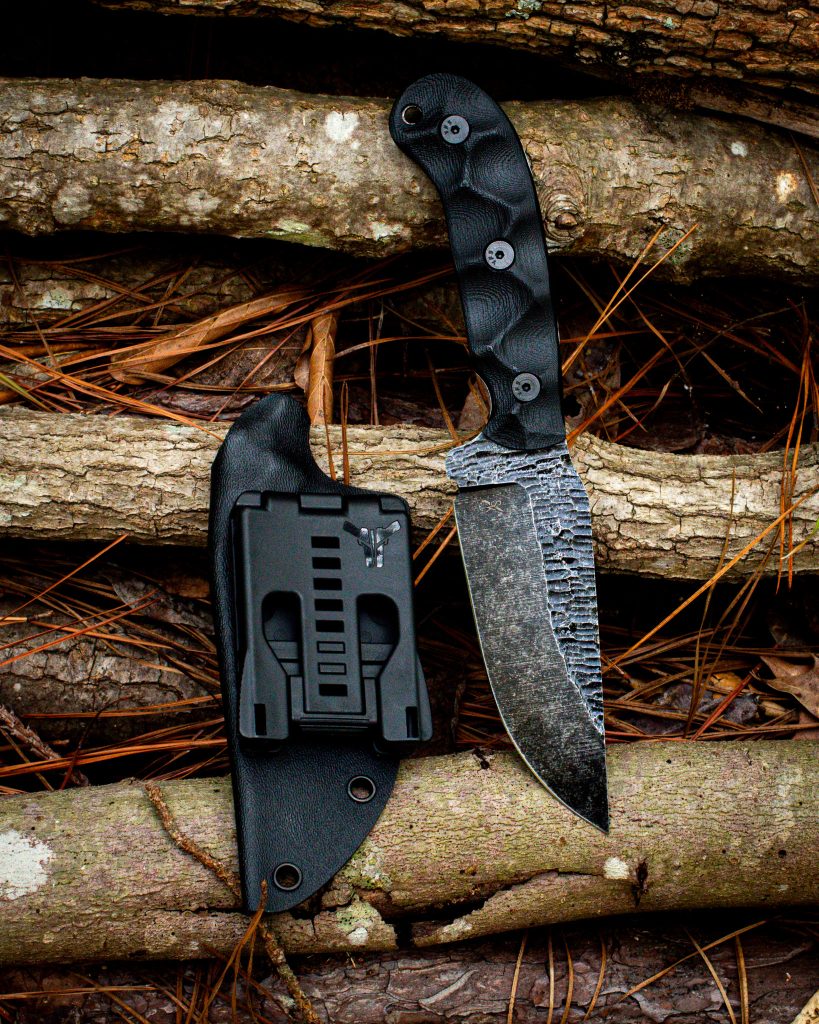
Stroup Knives feature:
-
Textured G10 or micarta scales
-
Palm swells that fill the hand naturally
-
Guard transitions that prevent forward slippage
These features aren’t cosmetic—they’re retention-focused. Made in USA knives built by veterans understand that hands sweat, gloves tear, and stress changes biomechanics.
When evaluating any knife, retention should be your first question—not steel type or finish.
Sheath Retention: Your First Line of Control
A knife you can’t retain in the sheath is a liability.
Veteran-owned knives often ship with purpose-built Kydex sheaths that balance retention strength with speed of draw. Stroup Knives excels here, offering Made in USA sheath systems that lock securely without excessive resistance.
Key sheath retention principles:
-
Audible “click” retention
-
Adjustable tension screws
-
Consistent draw angle
Retention training includes practicing re-sheathing without looking—a skill many users neglect.
Body Positioning and Knife Retention
Retention isn’t just about the hand—it’s about the body.
Core positioning techniques:
-
Elbows slightly tucked
-
Blade kept within shoulder width
-
Knife kept close to centerline under stress
Veteran-owned knives are built to excel in close-quarters environments where retention is challenged. Stroup Knives are compact, balanced, and designed for control when space is limited.
Movement drills—forward steps, lateral movement, kneeling—should always be practiced with retention in mind.
Knife Retention Under Stress
Stress exposes weak technique.
That’s why military and law enforcement professionals train retention under elevated heart rate. Veteran-owned knives come from this world—they’re built for stress, not comfort.
To train retention:
-
Perform grip drills after physical exertion
-
Practice controlled draws under time constraints
-
Work with gloves, cold hands, or wet conditions
Stroup Knives’ Made in USA construction ensures predictable handling no matter the environment.
Training Drills to Improve Knife Retention
Drill 1: Static Grip Endurance
Hold your knife in a working grip for timed intervals without over-tightening.
Drill 2: Draw-and-Return
Repeatedly draw and re-sheath your blade while maintaining full control.
Drill 3: Movement Retention
Walk, pivot, kneel, and stand while maintaining grip discipline.
Veteran-owned knives are built to support these drills without hot spots or handle fatigue.
Why Veteran-Owned Knives Excel in Retention
Veteran-owned knives aren’t designed in boardrooms—they’re designed by people who carried blades when failure wasn’t an option.
Stroup Knives stands as a prime example of Made in USA craftsmanship driven by real-world experience. Every contour, grind, and sheath detail serves retention, control, and survivability.
When you choose veteran-owned knives, you’re not just buying a blade—you’re investing in lessons learned under pressure.
Final Thoughts on Knife Retention
Knife retention is not optional. It is a skill that must be trained, refined, and respected. The best blade in the world means nothing without control.
Veteran-owned knives like Stroup Knives, proudly Made in USA, give users the tools needed to master retention—but mastery still requires dedication.
Train smart. Choose proven equipment. Respect the blade.