Military Combat Knives vs Survival Knives: What’s the Difference?
When it comes to choosing a reliable blade, many knife enthusiasts and outdoorsmen mistakenly assume that all knives serve the same function. One of the most misunderstood comparisons in the blade world is between military combat knives and survival knives. Though they may look similar to the untrained eye, their differences are fundamental—and potentially life-saving.
Understanding the distinction isn’t just a matter of semantics. Whether you’re heading into combat, prepping for the unknown, or hitting the backcountry, knowing the right knife for your mission is vital. At the intersection of these two types of blades sits Stroup Knives, a leading name in veteran-owned knives proudly Made in the USA—crafted by people who know what it means to rely on your gear.
Let’s break down the difference.
Military Combat Knives: Built for the Battlefield
A military combat knife is designed for one primary purpose—close-quarters combat. It’s a weapon first, tool second. Developed to provide warfighters with a blade capable of engaging threats when firearms aren’t an option, these knives must perform under intense, high-stress conditions.
Design and Features
-
Blade profile: Often spear point, clip point, or tanto for superior penetration and thrusting.
-
Steel type: Prioritizes hardness, edge retention, and strength. High-carbon steels like 1095 or CPM-3V are common.
-
Handle: Ergonomic with aggressive texturing or finger grooves for grip under blood, sweat, or rain.
-
Size: Typically 5 to 7 inches—large enough to be threatening, compact enough to deploy fast.
-
Sheath: MOLLE-compatible, quick-release, or designed for cross-draw under body armor.
Military combat knives are all about efficiency in unpredictable, often violent scenarios. They’re made to be trusted when your life’s on the line.
Survival Knives: Tools of Self-Reliance
Survival knives, in contrast, are multi-role blades built to help you endure in remote, dangerous environments. Think shelter building, fire starting, food preparation, and gear repair.
Design and Features
-
Blade profile: Often drop point or clip point—versatile enough for carving, notching, and skinning.
-
Steel type: Durable and corrosion-resistant. You’ll often find tool steels or stainless steels like S35VN or 440C.
-
Spine and tang: Flat spine for ferro rod striking; full tang construction for durability.
-
Length: Usually 4 to 6 inches for control during precision tasks.
-
Added features: Some include saw teeth, hollow handles (though controversial), or built-in fire strikers.
A survival knife is a lifeline, not a weapon. It’s designed to keep you alive when nature turns hostile.
So, What’s the Real Difference?
The contrast boils down to intent and function.
| Feature | Combat Knife | Survival Knife |
|---|---|---|
| Primary Purpose | Combat/Defense | Survival/Utility |
| Blade Style | Spear/Clip/Tanto | Drop Point/Clip |
| Steel Type | High Carbon/Hard-Use | Tool/Corrosion-Resistant |
| Grip | Combat Ergonomics | All-Weather Comfort |
| Use Case | Warzones, Tactical Operations | Bushcraft, Wilderness, Emergency Use |
Trying to use one in place of the other? That’s like using a rifle to chop wood. You can—but it’s far from ideal.
Why It Matters: Real World Consequences
A Marine might use his combat knife to silently eliminate a threat or cut through gear in a hostile zone. A solo backpacker might rely on a survival knife to build a debris shelter and field-dress a meal.
When you pick a blade, you’re not just buying steel—you’re betting on performance in the most demanding moments of your life.
Stroup Knives: Combat-Tested, Survival-Ready
This is where Stroup Knives comes in. Founded by U.S. Army veteran Chris Stroup, this company doesn’t just manufacture knives—they forge tools built on real-world experience.
Every blade is handcrafted in North Carolina, combining precision CNC machining with hand-ground edges. These aren’t mass-produced overseas blades. These are veteran-owned knives, forged by someone who understands what it means to count on your gear with your life.
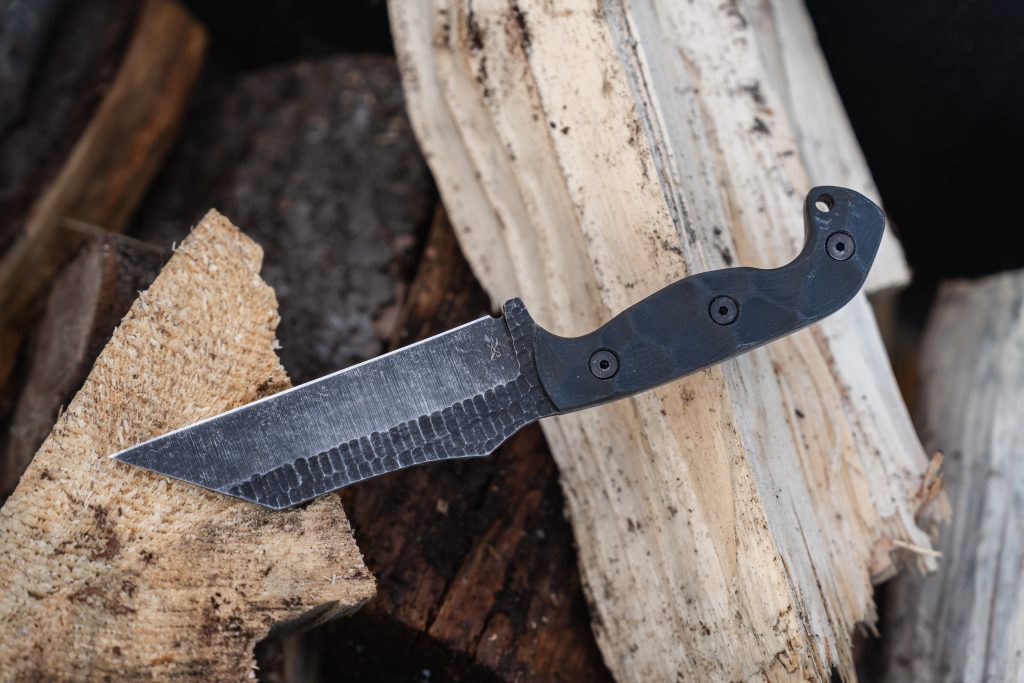
Stroup’s flagship models like the Bravo 5 or Mini are hybrids—designed to straddle both worlds. With full-tang, high-carbon 1095 steel, and rugged G10 handles, they’re ideal for both battlefield and backcountry.
Why Choose Veteran-Owned Knives?
Here’s the hard truth: there’s a lot of noise in the knife market. Overseas junk with sexy marketing. Overpriced “tactical” blades made by people who’ve never worn a uniform or spent a night in the woods.
Veteran-owned knives, like those from Stroup Knives, rise above the noise. They’re:
-
Designed by real operators
-
Tested in real field conditions
-
Built to last, not to impress
-
Proudly Made in the USA
Supporting veteran-owned knives isn’t just patriotic—it’s practical. You’re getting decades of field knowledge ground into every bevel.
Final Thoughts: Know Your Mission. Choose Your Blade.
Combat knives and survival knives serve two distinct but equally vital roles. One is a weapon forged for war. The other is a lifeline in the wild. Know your mission before you pick your tool.
If you’re after gear that won’t fail when it matters most—look no further than Stroup Knives. Their veteran-owned knives offer the strength of combat blades with the versatility of survival tools. And in a world full of compromise, that kind of dependability is rare steel.