The Forgotten Military Knives That Deserve Recognition
Military history is filled with legendary blades—the KA-BAR, the Fairbairn-Sykes, the Mark 2 fighting knife. These knives earned reputations on the battlefields of Europe, the Pacific, Vietnam, and modern conflicts. But if you look closer, beneath the famous silhouettes and collector-grade nostalgia, you’ll find another class of tools entirely. Quiet tools. Workhorses. Blades that never made headlines, rarely found their way into recruiting posters, and often weren’t recorded in the logs. These knives existed out of necessity. They were improvised, modified, or produced in small runs for specific units. And yet, they shaped missions and saved lives just as much as their celebrated counterparts.
Today we stand at a moment where the appreciation of history, craftsmanship, and American manufacturing is on the rise again. People want gear built with purpose. They want steel that serves them the same way it served warriors before them. That resurgence has given rise to the new generation of veteran-owned knives, and one brand in particular—Stroup Knives—carries the same DNA that defined the forgotten combat blades of the 20th century. When you hold a Stroup Knife, you are gripping a continuation of that lineage: Made in USA steel shaped by experience, necessity, and respect for the warrior’s craft.
To understand why brands like Stroup Knives matter, we must revisit the knives that didn’t make the museum glass cases. Blades forgotten by most, but not by the men who carried them.
The Forgotten Blades That Built the Foundation
The story begins not with mass-issued equipment but with knives forged or modified in the field. These blades were usually produced by small shops, naval machinists, aircraft crew chiefs, or local blacksmiths. Their purpose wasn’t glory. Their purpose was survival.
1. OSS Stiletto Variant Models
Most people recognize the iconic OSS Stiletto, but far fewer know about the lesser-known variant versions made in limited quantities. Some were field-ground, others adjusted at the request of operatives needing different penetration geometry or concealment profiles. These knives were brutally effective and rarely documented.
2. U.S. Navy Shroud Cutter and Rescue Knives
Small, simple, and almost entirely overlooked. These knives weren’t designed for combat in the traditional sense, but they saved more American lives than many fighting blades. Used by downed aviators, these cutters freed men from parachute lines and harnesses while ocean water and seconds ticked against them.
3. Non-Standard WWI Push Daggers
In the muddy, narrow hell of trench warfare, the U.S. saw an explosion of private-purchase and unit-made push daggers. These were forged out of files, leaf springs, and scrap metal. Though crude, they were devastating in the close confines of trench raids.
4. Variant M3 Fighting Knife Production Runs
The M3 is known—but many of its rare deviations are not. During WWII, factories made subtle modifications to the M3’s grind angles, guards, and tang profiles based on field feedback. These limited-run variants were often superior but never became standardized.
5. Ship and Camp-Made Survival Knives
One of the greatest overlooked classes of military knives consists of blades made on site: knives forged aboard ships, in forward bases, and in jungle workshops. They were born from supply shortages, local materials, and improvisation. No two were identical, but their utility was unmatched.
6. Vietnam “Yard” Knives and CIDG Blades
During the Vietnam War, U.S. Special Forces frequently carried blades made by local Montagnard smiths. These were thick-spined, hard-hitting blades used for everything from clearing brush to personal defense. They were never part of official issue, yet they became indispensable.
These knives represent a truth often forgotten: the best tools aren’t always the ones governments issue in mass. They’re often the ones forged by necessity, adapted through real-world feedback, and used by warriors who don’t care about recognition—only performance.
The Common Thread: Function Over Fame
What unites these forgotten knives is not aesthetics or ceremony. It’s function.
They existed because they solved problems in real environments—mud, salt water, humidity, cold, blood, and chaos. They had to:
-
Cut rope
-
Pry open crates
-
Process food
-
Clear foliage
-
Defend against threats
-
Endure abuse
-
Be easy to sharpen in the field
These were blades designed not for collectors but for survivors.
That same mentality—and the same reverence for uncompromising functional design—now defines the best modern veteran-owned knives companies. This is where Stroup Knives enters the legacy.
Stroup Knives: A Modern Return to American Combat Steel
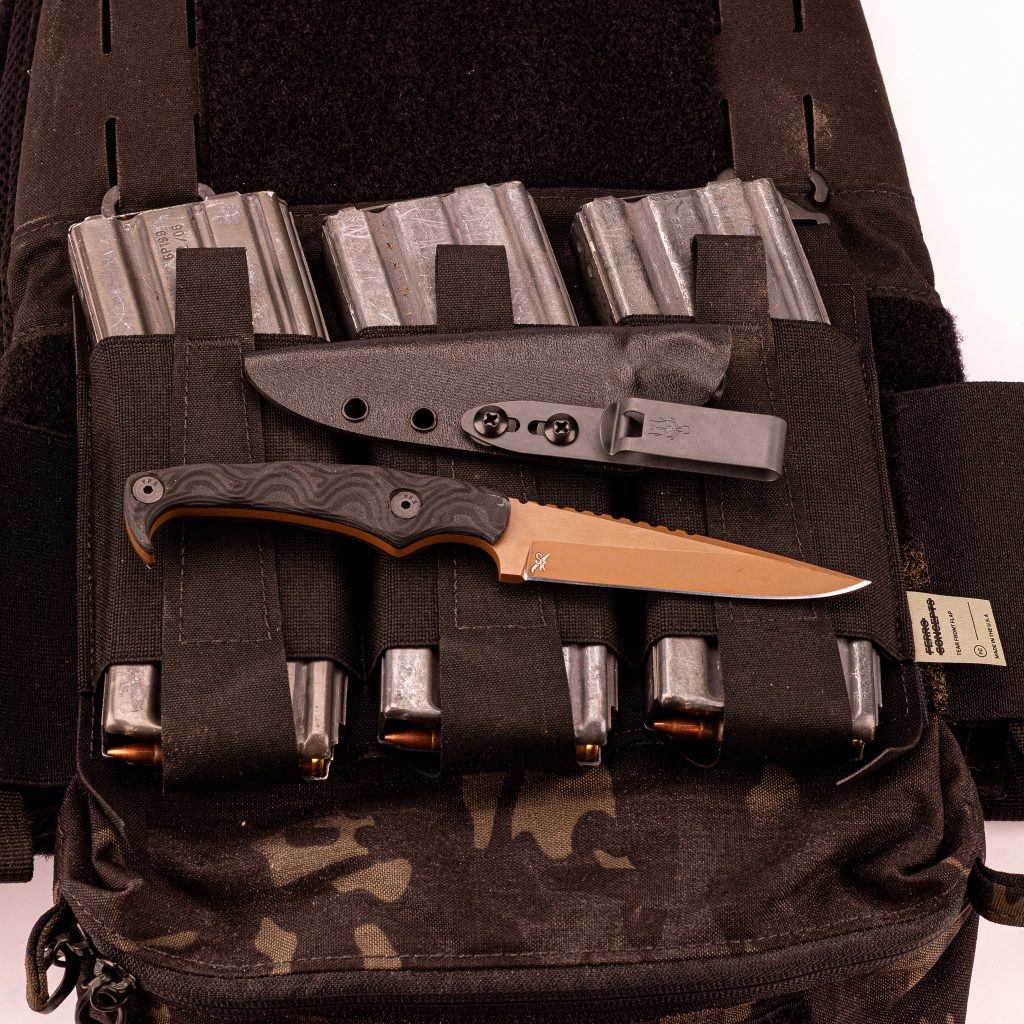
Stroup Knives is part of a rare breed of modern makers who respect the lineage of forgotten military knives. Every knife they produce is Made in USA. Every blade is shaped by real combat experience and real operational feedback. Their designs are not artistic experiments—they are purpose-driven tools made by a veteran who understands what a knife must endure.
When you study a Stroup knife, you immediately see the parallels with forgotten wartime blades:
Purpose-Driven Geometry
No excessive flourishes. Every grind has a job, whether slicing, piercing, prying, or general field work.
Rugged Construction
Thick spines. Strong heat treatment. Tang durability reminiscent of improvised blades that had to survive anything.
Real-World Ergonomics
Handles shaped for reliability, even when wet, muddy, or gloved.
Finish Options Built for Abuse
Black oxide, durable coatings, and simple, functional textures.
American-Made Pride
Every Stroup knife is built on U.S. soil—a continuation of the spirit behind the forgotten knives crafted in American workshops during war.
This is the true philosophy of the veteran-owned knives movement: tools built by people who have used them in life-dependent conditions.
Why Forgotten Knives Still Matter Today
The forgotten blades of the past are not relics. They are lessons. Every improvised trench knife, jungle chopper, and variant stiletto teaches us:
-
What real warriors need
-
What designs survive abuse
-
What features matter most under stress
-
Why simplicity often outperforms complexity
Those lessons are alive today in modern veteran-owned knives like Stroup Knives. They are the living continuation of a lineage built by necessity, refined by experience, and shaped on American soil.
Conclusion
As bladesmiths, historians, and students of war know, the story of military knives is far deeper than the famous models displayed in museums. Behind every iconic blade is an army of forgotten tools—quiet, uncelebrated, but indispensable. They cut, pried, fought, rescued, and survived. They were there when the mission depended not on glory, but on grit.
Today, brands like Stroup Knives keep that tradition alive. Their work honors the forgotten blades and the warriors who carried them. Their American-made craftsmanship stands as part of a proud new generation of veteran-owned knives, ensuring that the same spirit of function-first design continues for future warriors, outdoorsmen, and everyday Americans who rely on steel that refuses to fail.
This is the legacy of the forgotten knives. And thanks to makers like Stroup Knives, the story continues.