The Most Collectible Military Knives of All Time
Introduction: The Legacy Forged in American Steel
There’s something timeless about a blade forged for battle. It’s not just a weapon — it’s a story, an heirloom, and a reflection of the spirit that built America. From the trenches of World War I to the modern warfighter’s kit, the most collectible military knives ever made share one thing in common: they were crafted with purpose, pride, and precision. And today, that same spirit is kept alive through veteran-owned knives — American craftsmen who blend their battlefield experience with bladesmith mastery.
In this guide, we’ll explore the most collectible military knives of all time — each one a piece of history that shaped the world and defined what “Made in USA” truly means.
The Birth of the Combat Blade: WWI–WWII Icons
When soldiers first stepped into the muddy trenches of World War I, they needed a weapon that could fight in close quarters. The answer was the 1918 Mark I Trench Knife. Equipped with brass knuckles and a double-edged blade, this knife became one of the earliest and most collectible U.S. military knives ever made. Its aggressive design embodied raw necessity — a blend of utility and ferocity. Today, original models are prized possessions for collectors and museums alike.
Then came the legend — the Ka-Bar USMC Fighting Knife. Issued during World War II, this blade became synonymous with the Marine Corps ethos: honor, courage, commitment. With its 7-inch clip point and stacked leather handle, it wasn’t just a fighting tool — it was a companion. Soldiers carried it into battle, camped with it in the jungle, and handed it down through generations. Few knives in American history command such deep respect.
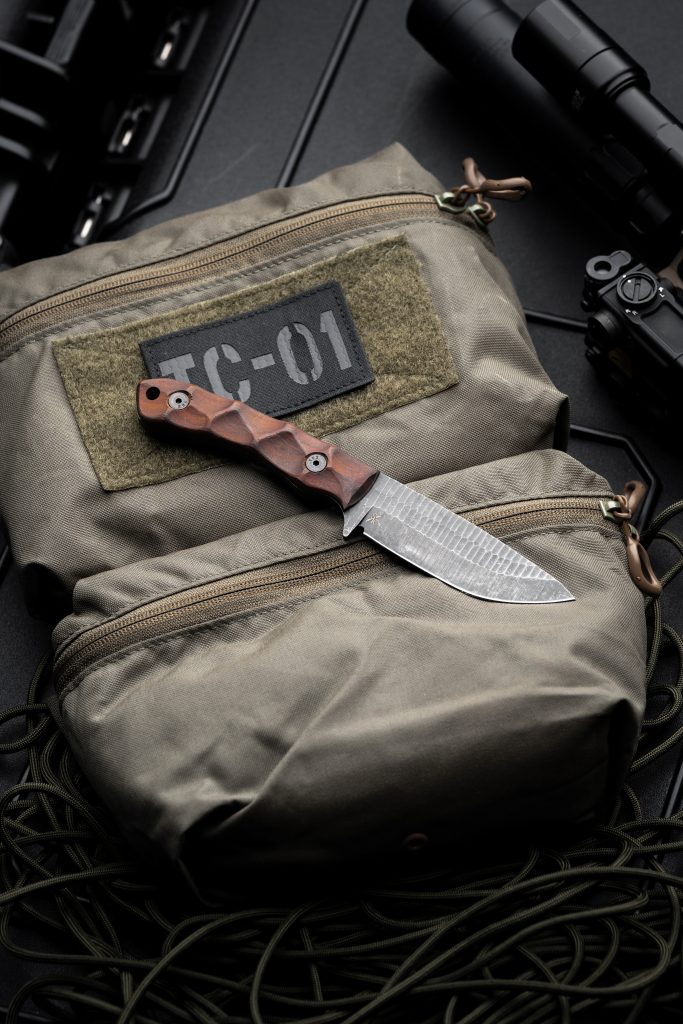
Modern veteran-owned knives carry this same torch. Blades from brands like Stroup Knives are built to the same standard of reliability that Marines once demanded on the battlefield — because the makers themselves have been there.
From Jungle to Desert: The Vietnam and Cold War Era
The next generation of collectible military knives arrived during Vietnam. The Gerber Mark II, introduced in 1966, defined the modern fighting knife. Its sleek, symmetrical dagger design made it the blade of choice for soldiers and special operators. Its value today stems from both performance and symbolism — a reminder of a turbulent era where American craftsmanship proved itself once again.
Equally revered is the Randall Model 14 Attack Knife. Handmade in Orlando, Florida, this knife was designed specifically for combat. Randall Made Knives produced each blade by hand, ensuring that no two were exactly alike — a hallmark of true American craft. Collectors now pay top dollar for authenticated Vietnam-era models, especially those with field use documentation.
Those decades established the collector culture we know today — where performance meets pride. And in the modern market, veteran-owned knives are leading the charge. Built by veterans who understand the weight of a tool that might mean life or death, these knives don’t just honor the past — they redefine it.
Modern Masterpieces: The Post-9/11 Blades
After 9/11, a new wave of American bladesmiths emerged — veterans who had carried knives in combat and came home to craft them. Brands like Stroup Knives, Half Face Blades, and Winkler Knives became synonymous with rugged dependability and heritage craftsmanship.
Each piece tells a story: forged from 1095 high-carbon steel, hand-ground in U.S. workshops, and field-tested by those who’ve served. These veteran-owned knives are not just tools — they are heirlooms in the making, blending modern materials with old-world precision.
Collectors have taken notice. The same energy that made the Ka-Bar or Gerber Mark II famous now surrounds these American-made blades. Whether serialized for limited runs or custom-built for combat, veteran-owned knives are fast becoming the most collectible blades of this generation.
Why Collectors Value Veteran-Owned Knives
Collectors seek more than steel; they seek stories. And that’s what makes veteran-owned knives so powerful. Each knife carries the experience of someone who’s served, fought, and lived the ethos of American grit.
Unlike mass-produced imports, these knives are built with a level of purpose that can’t be replicated in a factory overseas. The heat treat, grind lines, and handles aren’t just technical details — they’re the fingerprint of a craftsman who understands what “mission-ready” means.
Every veteran-owned knife built today mirrors the soul of the 1918 Trench Knife or the Ka-Bar — made to serve, survive, and symbolize American strength.
The Legacy Lives On: Stroup Knives and the Modern Collector
Among the most respected modern makers, Stroup Knives represents the best of what “Made in USA” still means. Founded by veterans and built by hand, their blades have become benchmarks in the tactical and collector communities alike.
From limited-edition drops to field-ready models, Stroup Knives crafts veteran-owned knives that embody everything a collector values: scarcity, authenticity, and American toughness. Each knife feels personal — because it is. Built in North Carolina, tested in the field, and trusted by those who know what it means to depend on their gear.
The modern collector now faces a unique opportunity: to own history as it’s being made. Investing in veteran-owned knives isn’t just about steel and sharpness — it’s about supporting the men and women who defend freedom and continue their service through craft.
Conclusion: American Blades, American Legacy
The most collectible military knives of all time aren’t defined only by their shape or steel — they’re defined by the hands that made them and the warriors who carried them. From the trenches of France to the deserts of Iraq, every blade tells a chapter in the American story.
That legacy is alive and well in today’s veteran-owned knives. Built on U.S. soil, by those who know what battle demands, these knives bridge history and honor in every grind and bevel.
If you’re a collector, a craftsman, or simply someone who respects the edge of excellence, remember this — the finest blades are still forged in freedom. The mark of true American steel is still stamped: Made in USA.