What Military Knives Reveal About Modern Warfare
Military knives have always been honest tools. Long before satellites, drones, and precision-guided munitions dominated the battlefield, the knife told the truth about how wars were fought. Even today, in an era defined by advanced technology, military knives continue to reveal something essential about modern warfare—something that cannot be understood by studying rifles or aircraft alone.
Modern warfare is faster, more decentralized, and more personal than ever before. And the knives carried by today’s warriors reflect that reality. More importantly, veteran-owned knives have become the most authentic expression of these lessons, forged by those who understand modern combat firsthand.
Steel as a Silent Intelligence Report
If you want to understand how wars are actually fought—not how they’re portrayed—you look at the tools soldiers trust when everything else fails. Military knives are not ceremonial objects. They are contingency tools, survival tools, and sometimes last-resort weapons. The continued presence of knives in modern loadouts tells us something critical: technology has not replaced the human element of warfare.
Veteran-owned knives exist precisely because modern combat has evolved beyond rigid doctrine. Soldiers today operate with autonomy, adaptability, and improvisation. Their knives must do the same.
From Massed Armies to Individual Operators
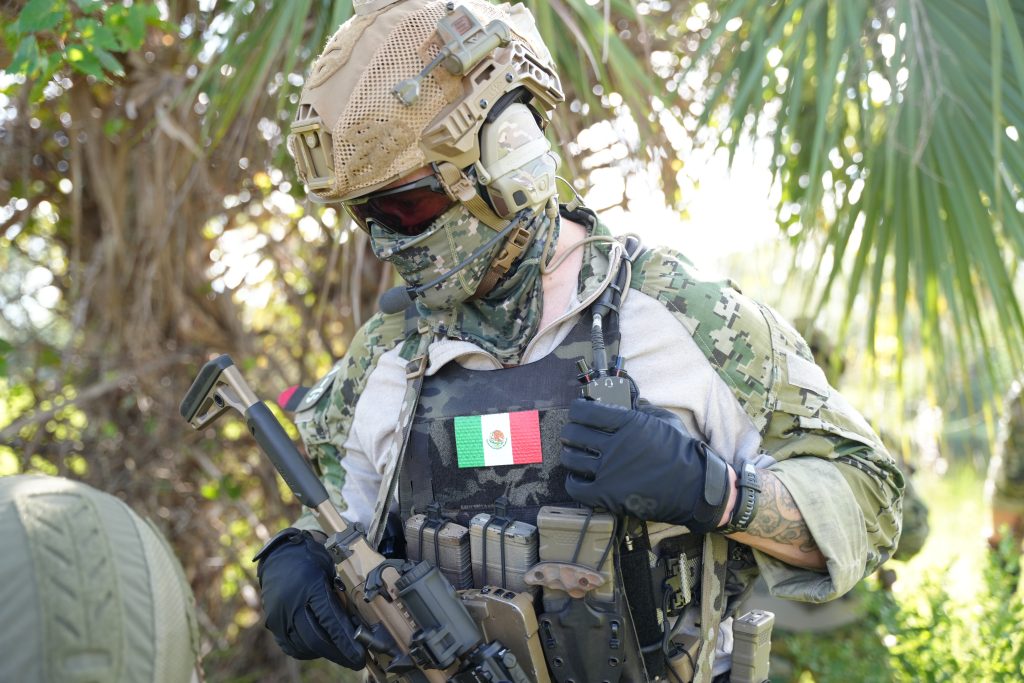
In earlier conflicts, military knives were often large, heavy, and standardized. They reflected a time when armies moved in formations and individual initiative mattered less than uniformity. Modern warfare has dismantled that model.
Today’s conflicts rely on small units, rapid deployment, and independent decision-making. As a bladesmith, this shift is obvious in modern knife design. Blades are leaner. Profiles are more versatile. Ergonomics prioritize long-term carry and immediate access.
This evolution explains the rise of veteran-owned knives. Only those who have operated in modern environments understand the need for tools that balance strength, speed, and adaptability. Knives are no longer just weapons; they are multi-role instruments designed for unpredictable conditions.
Close-Quarters Combat Never Went Away
Despite advancements in warfare, combat still happens at close range. Urban environments, vehicle operations, and confined spaces demand tools that work silently and reliably. Knives remain essential in these scenarios.
Modern military knives reflect this reality through:
-
Compact blade lengths
-
Aggressive but controlled cutting geometry
-
Handles designed for gloved or wet hands
These features are not theoretical. They come from experience. That is why veteran-owned knives dominate serious military knife conversations. They are designed by people who have operated in close-quarters environments and understand the consequences of poor design.
The Psychology of Carrying a Blade
A knife is more than steel. It is confidence. In modern warfare, where uncertainty is constant, carrying a reliable blade provides psychological assurance. Soldiers know that no matter what happens, they retain control over one essential tool.
This psychological element is often overlooked, but it explains why knives persist despite technological advances. Veteran-owned knives acknowledge this reality by focusing on balance, grip security, and simplicity. There is no room for gimmicks when trust is on the line.
Materials and Manufacturing in Modern Military Knives
Modern warfare demands tools that endure harsh environments. Steel selection, heat treatment, and handle materials matter more than ever. Poor materials fail under stress, and failure in combat is unacceptable.
This is where Made in USA manufacturing becomes critical. Domestic production allows for tighter quality control, consistent heat treatment, and accountability. Veteran-owned knives produced in the United States benefit from these standards, ensuring reliability that mass-produced imports cannot match.
Stroup Knives: A Reflection of Modern Warfare
Stroup Knives exemplifies what modern military knives reveal about today’s battlefield. The designs emphasize durability, practicality, and real-world use. There is no excess, no unnecessary ornamentation—only purpose-driven design informed by service.
This approach mirrors modern warfare itself. Lean, adaptable, and focused on mission success. Stroup Knives represents why veteran-owned knives are uniquely qualified to meet modern demands.
What Military Knives Reveal About the Future
Military knives reveal that warfare will continue to evolve, but the need for reliable, human-scale tools will remain. As long as conflict involves people operating in uncertain environments, knives will matter.
The continued rise of veteran-owned knives signals a shift toward authenticity, accountability, and experience-driven design. These knives are not nostalgia pieces; they are evidence of how warfare has changed—and how it will continue to change.
Modern warfare is not less brutal. It is simply more complex. And the knives carried by modern warriors tell that story in steel.