Buying a Knife as a Gift Without Getting It Wrong
A knife is one of the better things you can give someone. It gets used, it lasts decades, and it picks up a record of their life on the blade.
It is also easy to get wrong, usually in the same direction: too big.
Size it to their life, not to the occasion
The instinct is to buy something impressive. Resist it.
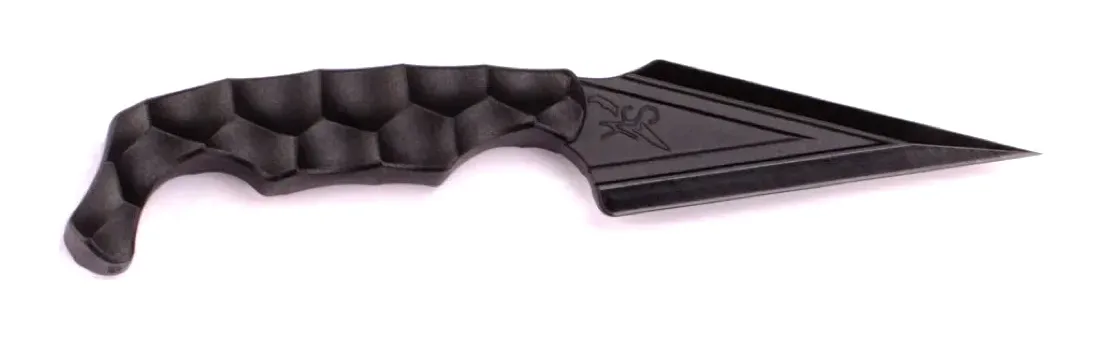
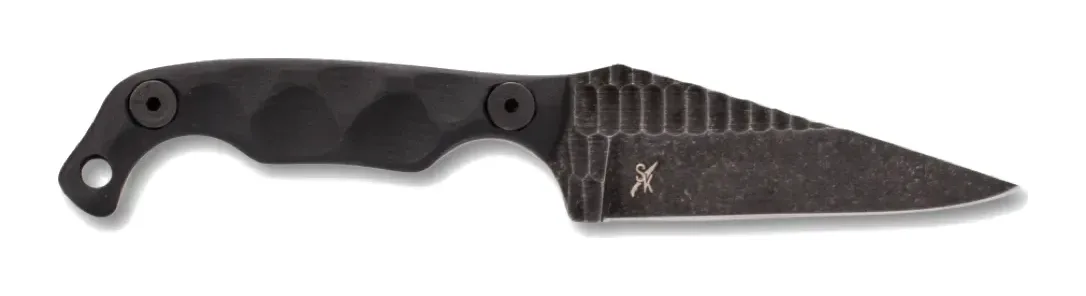
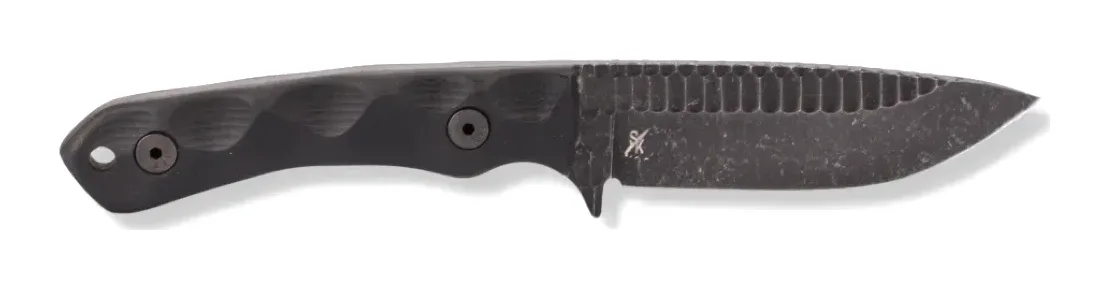
If they work outdoors, hunt or fish, three and a half to four and a half inches of blade covers almost everything they do. The GP1 at four inches is the one most people reach for.
If they want something to carry, smaller again. The GP2 at three and a half inches is the one that stays on a belt rather than in a drawer.
If they split wood, camp hard or build things, go thicker rather than longer. The TU series runs 3/16 inch stock instead of 5/32, which is the difference between a knife they are careful with and one they are not.
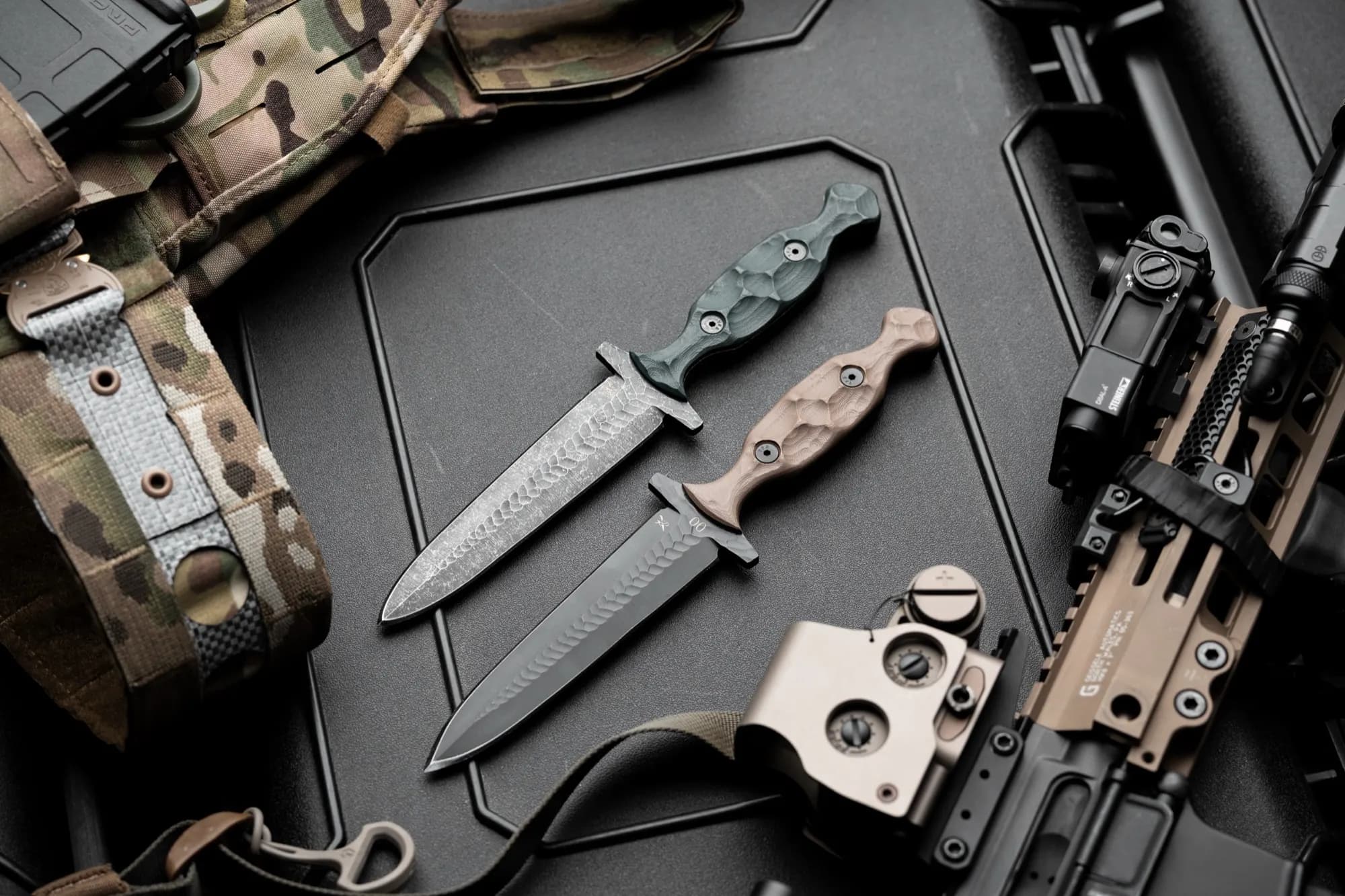
If you genuinely do not know, a four inch drop point is the safe answer. It is the most useful knife shape ever settled on, and nobody has ever been annoyed to receive one.
Engraving, and when not to
We engrave for fifteen dollars. It is a good way to make a gift specific, and there are two things worth knowing before you do it.
An engraved knife cannot be returned. It has their name on it. That is the whole point and it is also why we cannot take it back.
Keep it short and keep it quiet. A name, a date, initials, a few words. The best engravings are the ones you have to turn the knife to read. A long message across the blade turns a tool into a plaque.
If you are not certain of the size or model, do not engrave. Give it plain, let them live with it, and we will engrave it later.
The superstition
In a lot of places, giving a blade is said to cut the friendship, and the fix is for the person receiving it to hand you a coin so it counts as a purchase.
Most people do not believe it. Many people enjoy it anyway. A penny taped inside the box is a nice detail and it costs you a penny.
What to avoid
Anything with a hollow handle. It is a compartment built into the one place a knife cannot afford a weak point.
A gut hook, unless you know they want one. Divisive, awkward to sharpen, and most experienced hunters stop using them.
Serrations on a general purpose knife. They are miserable to sharpen and they solve a problem most people do not have.
Something too nice to use. A knife they are frightened of scratching is a knife that lives in a box. Give them one they will use on Tuesday.
What makes it feel considered
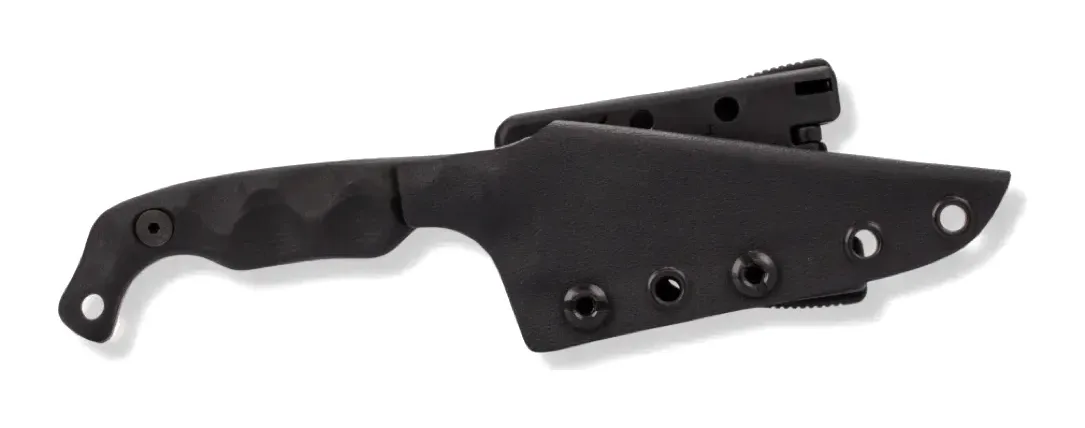
The sheath more than the knife, often. A good Kydex sheath with a clip they can move around a belt, a pack strap or a waistband is the difference between a gift they carry and a gift they admire.
A small stone in the box, so the knife stays sharp from the first week rather than slowly going dull until it annoys them.
And the plain fact of where it came from. Every one of ours is ground, heat treated and sharpened by hand in North Carolina, one at a time. That is worth saying in the card, because it is the part people remember.
Lead times, which matter in December
We make to order. Most knives ship within thirty days, and that is a real number rather than a hopeful one.
If a knife needs to be under a tree on a particular morning, order it in November. If you are late, say so when you order and we will tell you honestly whether it will make it.
Anything in stock ships much faster, and the shop page has an in stock filter for exactly this reason.