
The Fishing Knife Guide: Fillet, Bait and Everything Else
Fishing asks more of a knife than hunting does. Not because the cuts are harder, but because the environment is relentless. Salt, water, sun, and a knife that gets used, put down wet, and picked up again.
Two different jobs
Filleting wants a long, thin, flexible blade that follows the spine of a fish and rides the ribs without digging in. Six to nine inches, very thin stock, flexible enough to bend.
Everything else on a boat wants a short, stiff, tough blade. Cutting line, opening bait, trimming leader, prying a hook, cutting a jammed rope, breaking down a bigger fish into steaks.
One knife does not do both well. A fillet blade is too flexible and too fragile for general work, and a general purpose knife is too stiff to fillet neatly.
If you only carry one, carry the stiff one. You can get a passable fillet off a stiff four inch blade. You cannot cut a rope under load with a fillet knife without worrying.
What to look for in the general purpose one
Short. Three and a half to four and a half inches. You are working in a small space, often one handed, often with the boat moving.
Stiff. 5/32 of an inch or thicker. You will pry something with it, and you should not have to think about that.
Full tang. Steel running the length of the handle. Anything with a partial tang is a lever waiting to break.
A handle that works wet. G10 over wood here, without much argument. Wet wood with fish slime on it is a hazard.
A sheath that drains. Kydex, with drainage. Leather on a boat is a mistake you make once.
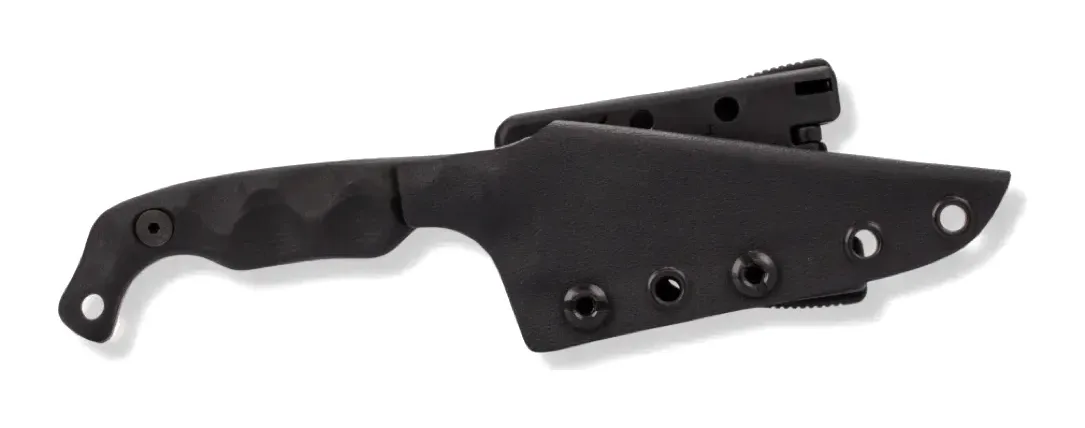
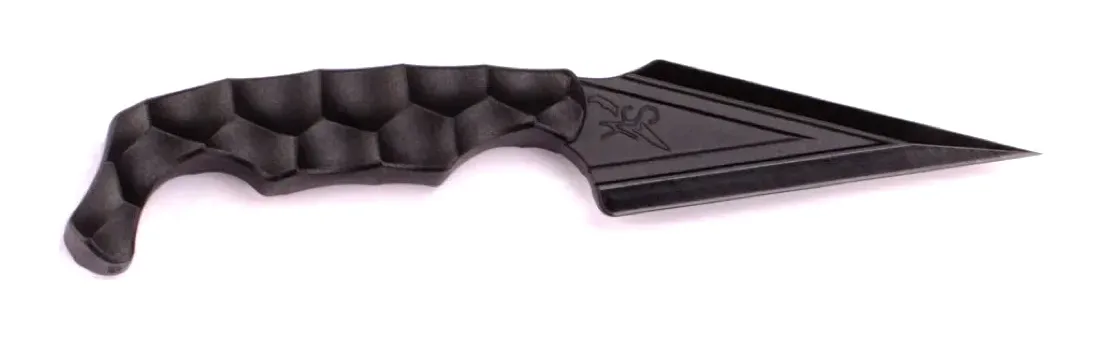
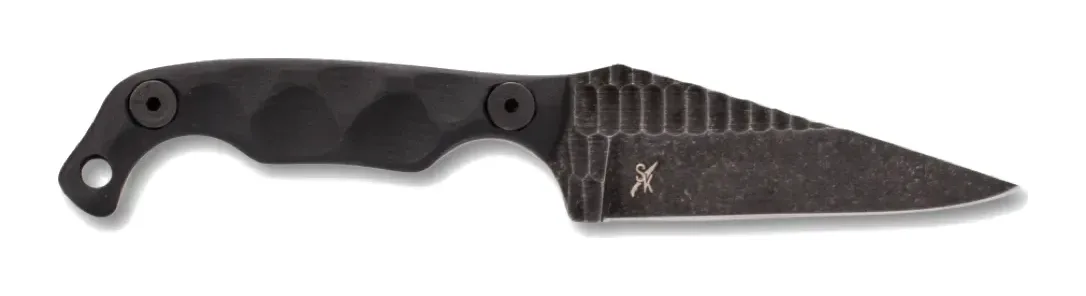
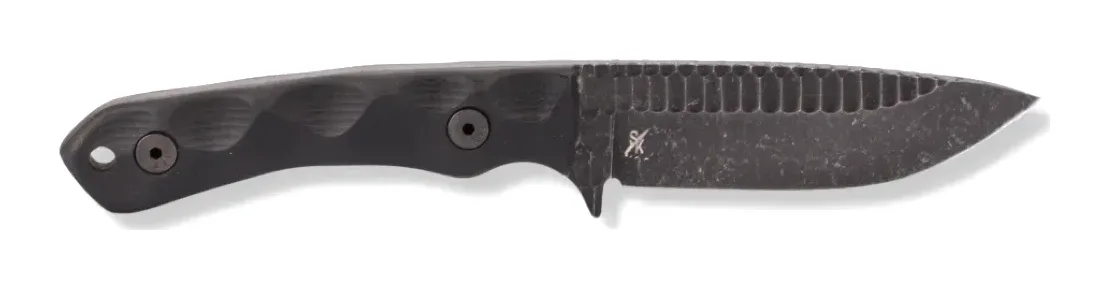
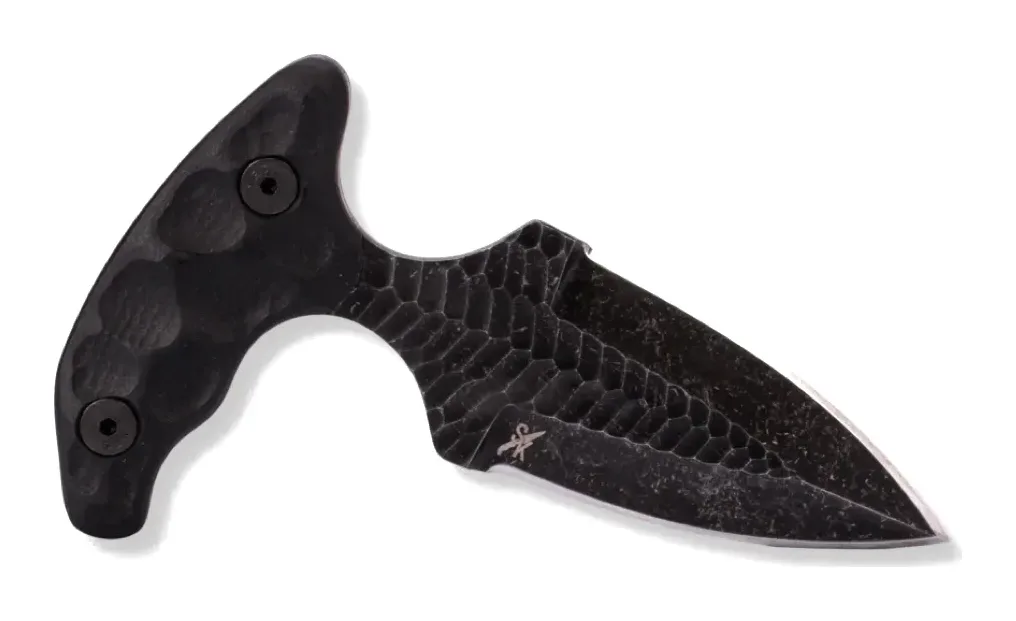
Our GP2 and TU2 both fall in this range. The TU2 is the thicker of the two at 3/16, with a finger hook that makes it easy to get out of a sheath one handed, which matters when the other hand has a fish in it.
The carbon steel question, which is a real one
We make our knives from 1095. On the water, that is the one place where the honest answer gets complicated.
Salt water is the fastest rust there is. A carbon steel blade left wet and salty overnight will have orange on it in the morning, reliably.
So: if your knife lives on a saltwater boat, gets used hard, and goes back in a box without ceremony, buy stainless. We would rather tell you that than sell you a knife you will be disappointed in.
If you will rinse it in fresh water and dry it at the end of the day, carbon steel is fine and it cuts better. It is a thirty second habit. Plenty of people on boats have it.
The deciding question is not which steel is better. It is whether you are honestly going to wipe the knife down.
Looking after a knife around salt
Rinse in fresh water the same day. Not next week.
Dry it properly, including inside the sheath. A sheath that holds salty water is worse than the blade being left out.
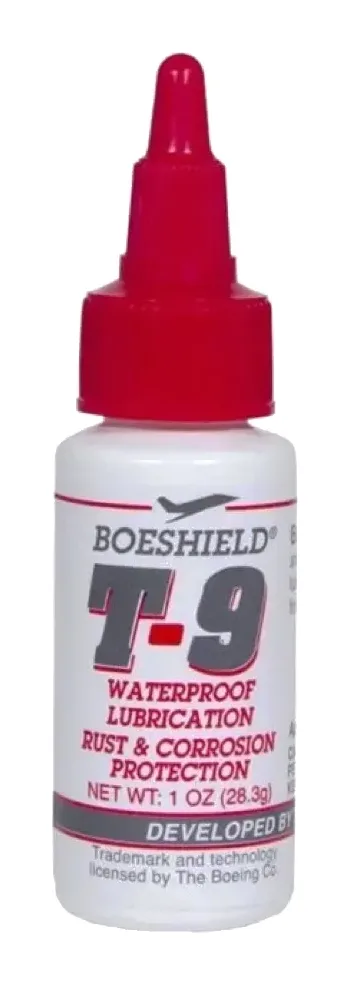
Oil it more often than you would otherwise. Once a trip rather than once a month.
Never store it in the sheath after a salt day.
Watch the fasteners. Handle hardware corrodes too, and loose scales are how a good knife starts rattling.
Do you need a dedicated fillet knife
If you clean more than a handful of fish a year, yes. The difference in yield and in time is large, and a proper fillet blade is cheap next to the rod it fed.
If you clean fish occasionally, a four inch general purpose knife with real belly does an acceptable job. You will lose a little meat near the ribs and nobody at the table will notice.
A setup that covers it
One stiff four inch fixed blade on the belt, in Kydex with a clip. One fillet knife in the bag or on the cleaning table. A small diamond plate. A rag.
That is a kit that handles bait, line, rope, the unexpected, and dinner.
If you want to see the size difference before deciding, the comparison page lays every model out together.