1095 Carbon Steel vs Stainless: Which Should You Actually Carry?
Every knife argument eventually lands on steel. Someone says carbon steel is better, someone else says stainless is better, and both of them are half right.
We make every Stroup knife from 1095 high carbon steel. That is a choice with a cost attached, and it is worth being straight about what the cost is.
What 1095 actually is
1095 is a simple steel. Roughly 0.95% carbon, a little manganese, and not much else. No chromium to speak of, no exotic alloying elements, nothing that needs a metallurgy degree to explain.
That simplicity is the point. Fewer elements in the mix means fewer things fighting each other during heat treat, and heat treat is where a blade is actually made. We run ours to 58 to 59 HRC, which is hard enough to hold a working edge and soft enough that the tip does not snap off the first time you pry something you should not have pried.
Stainless steels get their rust resistance from chromium, usually 13% or more. The chromium bonds with oxygen and forms a thin barrier on the surface. That barrier is why your kitchen knife does not go orange in the sink. It also ties up carbon that would otherwise be available to form the carbides that take an edge.
Where carbon steel wins
It gets sharper, and it gets sharper faster. Simple steels respond to a stone. You can put a working edge back on a 1095 blade on the tailgate of a truck with a cheap diamond plate and five minutes. That matters more than peak edge retention when you are three days into an elk hunt and the knife has been through two animals.
It is easier to fix in the field. Roll an edge on a bone and you can steel it straight again. Chip a hard stainless blade and you are grinding metal to get back to clean steel.
It is tougher at the same hardness. Fewer big carbides means fewer places for a crack to start. A 1095 blade at 58 HRC takes abuse that a high-carbide stainless at the same hardness would chip through.
It tells you how it has been used. A carbon blade takes a patina. The grey and blue mottling that shows up after a season of food prep and field dressing is oxidation, and it is protective. People pay money for a forced patina. You get one for free by using the knife.
Where stainless wins
You can neglect it. Leave a stainless blade wet in a sheath overnight and it is fine. Do that with 1095 and you will find rust in the morning.
It handles salt. If your knife lives on a boat, goes in the surf, or spends its life around blood and brine, stainless is the sensible answer and carbon steel is a chore.
Some of it holds an edge longer. The modern powder stainless steels hold a working edge through more cutting than 1095 will. They also take considerably longer to sharpen when they finally go.
The honest version
Carbon steel is a better cutting tool that asks something of you. Stainless is a more convenient tool that gives up a little performance.
If you wipe your knife down when you are done with it, carbon steel is the better buy. If you are the kind of person who finds knives in the bottom of a bag six weeks later, buy stainless and do not feel bad about it.
We went with 1095 because the people who buy our knives use them, and because a blade that sharpens on a rock beats a blade that needs a jig and a diamond plate when you are a long way from either.
What looking after 1095 actually takes
Less than people think.
Dry it. Water is the whole problem. Wipe the blade after you use it, especially after food, fruit and anything salty.
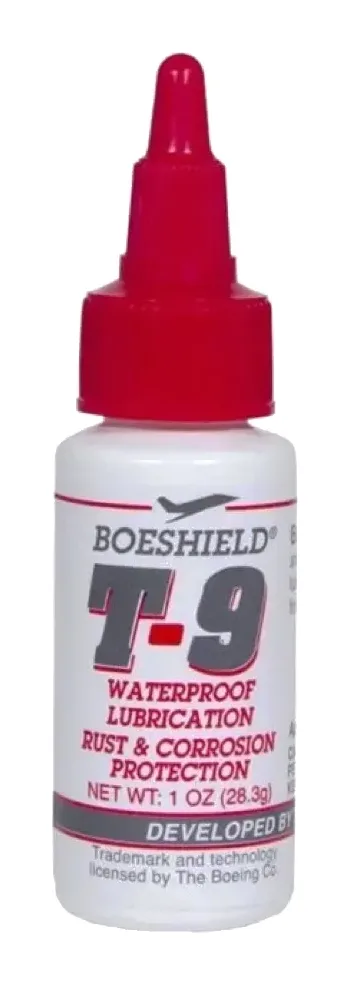
Oil it occasionally. Any light oil works. Mineral oil if it touches food, 3-in-1 if it does not, a wipe of whatever is on the bench if that is what you have. A thin film is enough.
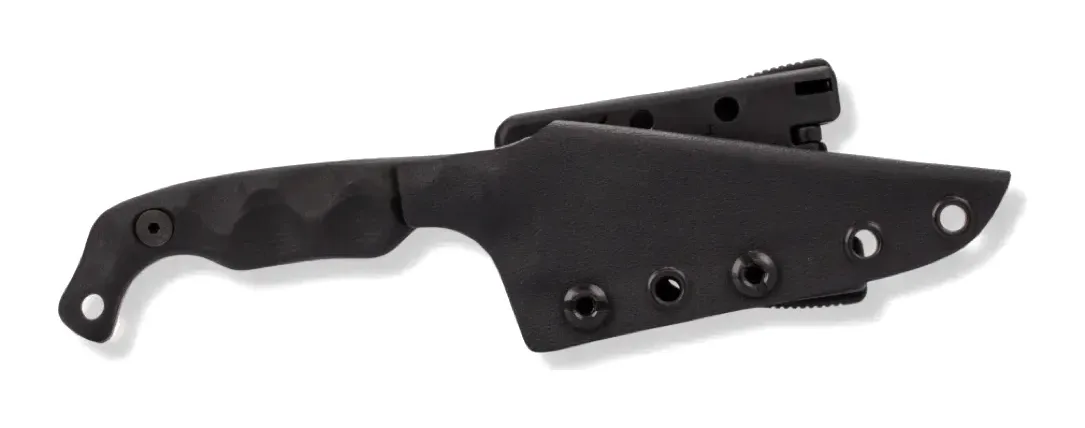
Do not store it in the sheath long term. Kydex is fine for carry and poor for storage. It holds moisture against the steel. If a knife is going in a drawer for the winter, oil it and leave the sheath off.
Let the patina happen. Do not polish it back to bright every time. A settled patina is a layer of stable oxide that keeps the aggressive orange kind from starting.
That is it. Thirty seconds after a day of use buys you a knife that outlives you.
Which Stroup knife, for which job
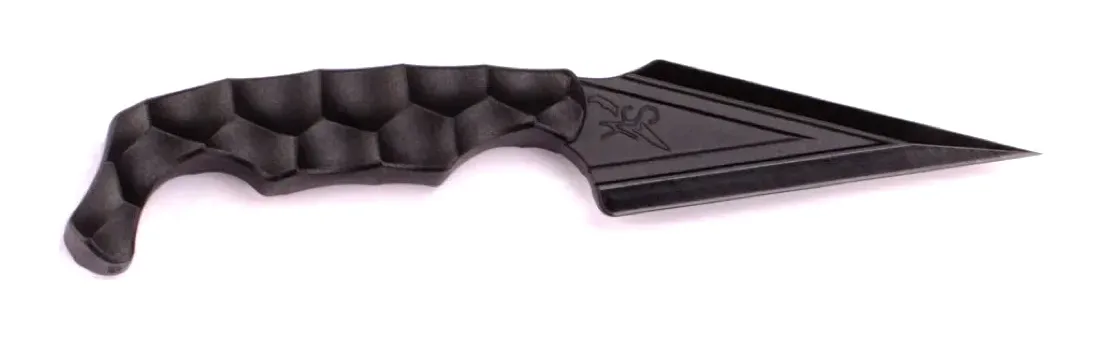
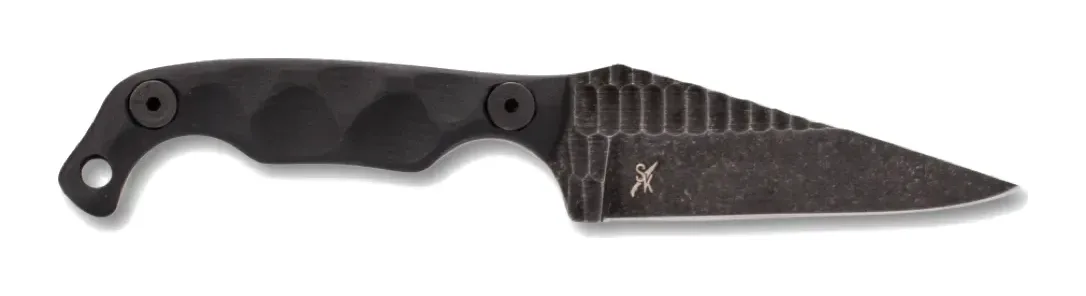
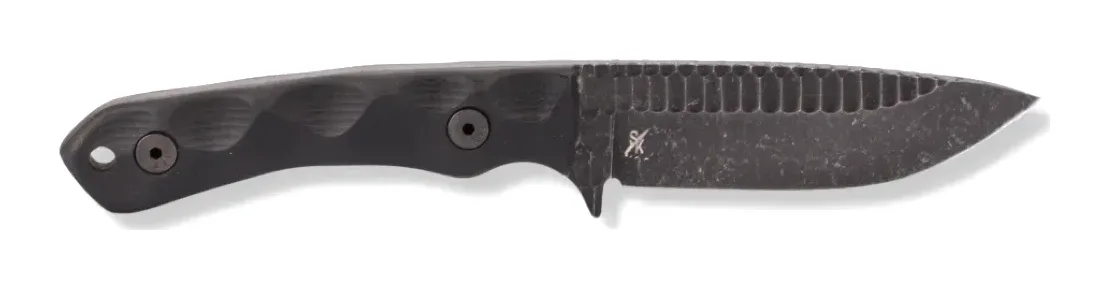
For hunting and field dressing, the belly matters more than the steel. A GP1 at four inches or a GP3 with the longer Seaux blade both skin well, and both go back to sharp on a pocket stone between animals.
For everyday carry, smaller is the one you actually carry. The GP2 at three and a half inches disappears on a belt in a way a bigger knife does not.
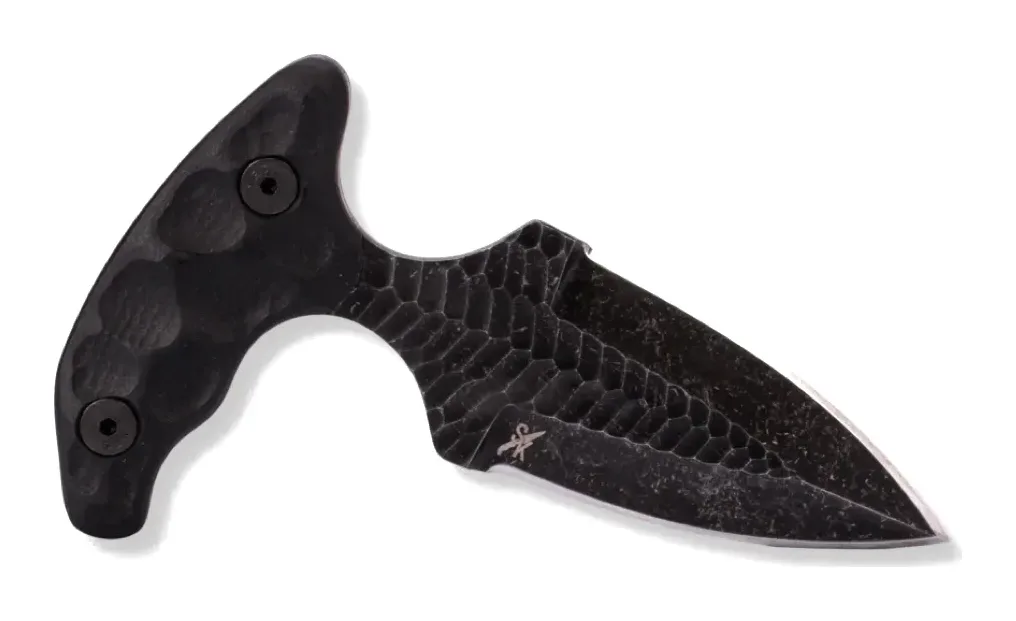
For hard use, go thicker. The TU series runs 3/16 inch stock instead of 5/32, which is the difference between a knife you baton with occasionally and one you stop worrying about.
All of them are the same steel, the same heat treat, and the same answer to a stone.
If you are still deciding, the specs page lays every model side by side, and how to read knife specs covers what those numbers actually mean once you are looking at them.