Tactical vs Field Knives: What the Differences Actually Are
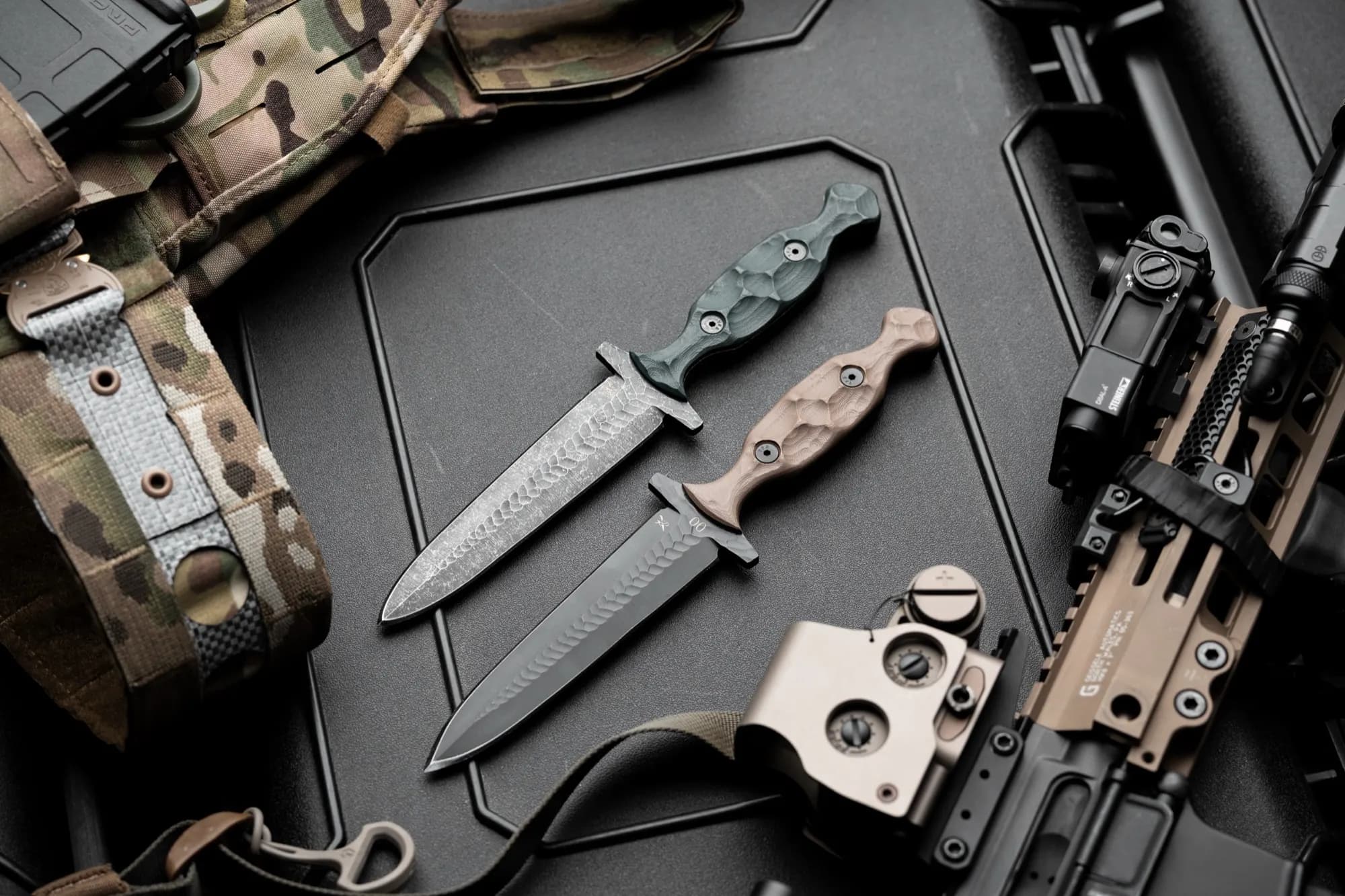
Put a tactically styled knife next to a field knife and the obvious differences are cosmetic. One is black and angular, one is not.
The real differences are four, they are all tradeoffs, and knowing them tells you which one you actually want.
Point geometry
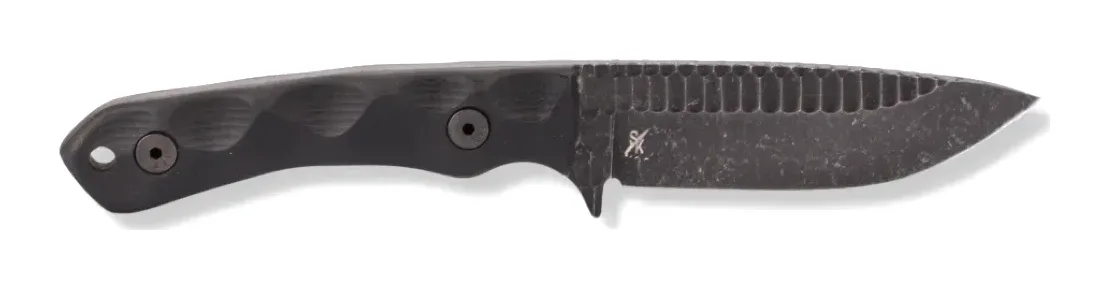
Field knives usually have a drop point with a fair amount of material behind the tip, shaped for control and for not puncturing things underneath what you are cutting. The priority is precision.
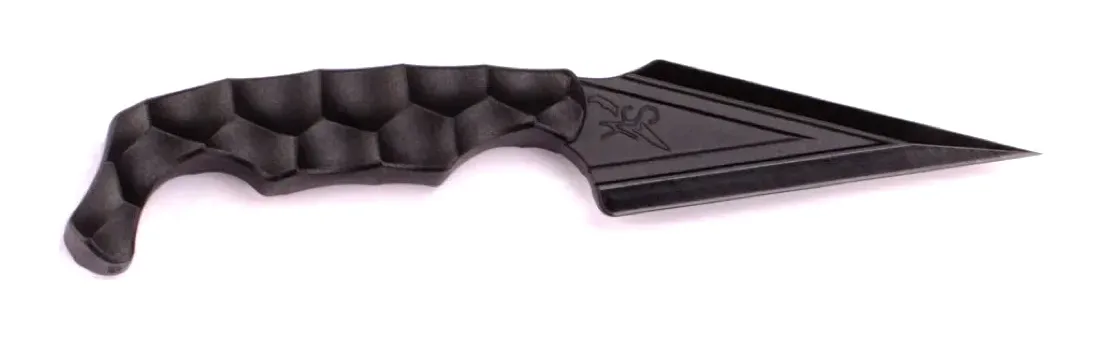
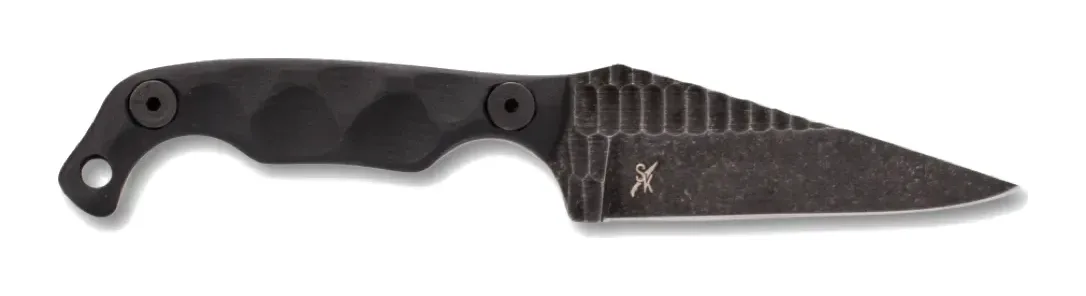
Tactically styled knives often have a reinforced tip with more material behind it, or a tanto point with a secondary edge at an angle. Both are harder to break.
The trade: a stronger point is a worse point for fine work. Boning out a joint, lifting a splinter, opening a package without destroying what is inside, trimming line at an awkward angle. A reinforced tip is clumsier at all of that.
If your knife meets more cardboard and meat than it meets sheet metal, you want the finer point.
Edge angle and grind
Field knives are usually ground thinner behind the edge, at a shallower angle, because the job is cutting and a thin edge cuts better.
Tactically styled knives are often ground thicker and steeper, because a steep edge survives being driven into hard, unpredictable material.
The trade is simply cutting ability against damage resistance. There is no free lunch here. A thicker edge is harder to roll and takes more effort through every single cut you make.
Most people would rather have the knife that cuts well three hundred times a year than the one that survives the thing that has not happened yet.
Coatings
Field knives are often left bare, especially in carbon steel, because the patina that develops is protective and because a bare blade is easier to sharpen and to assess.
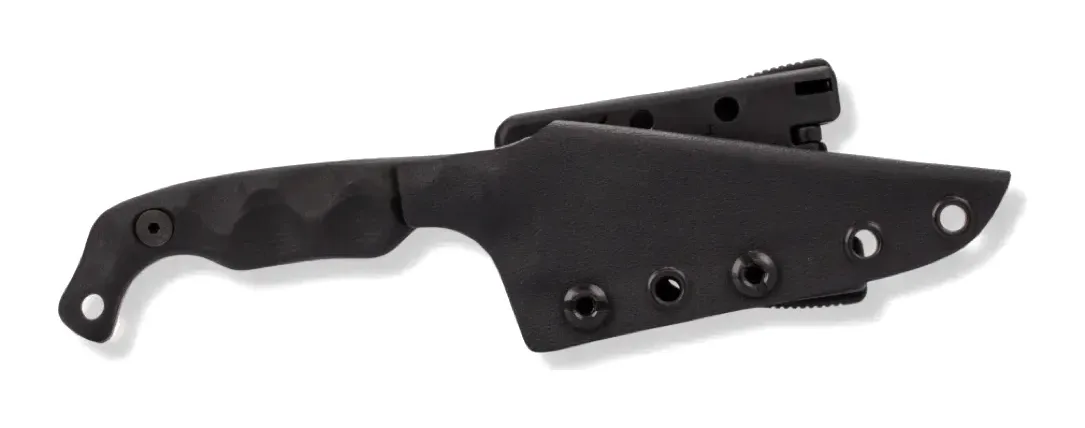
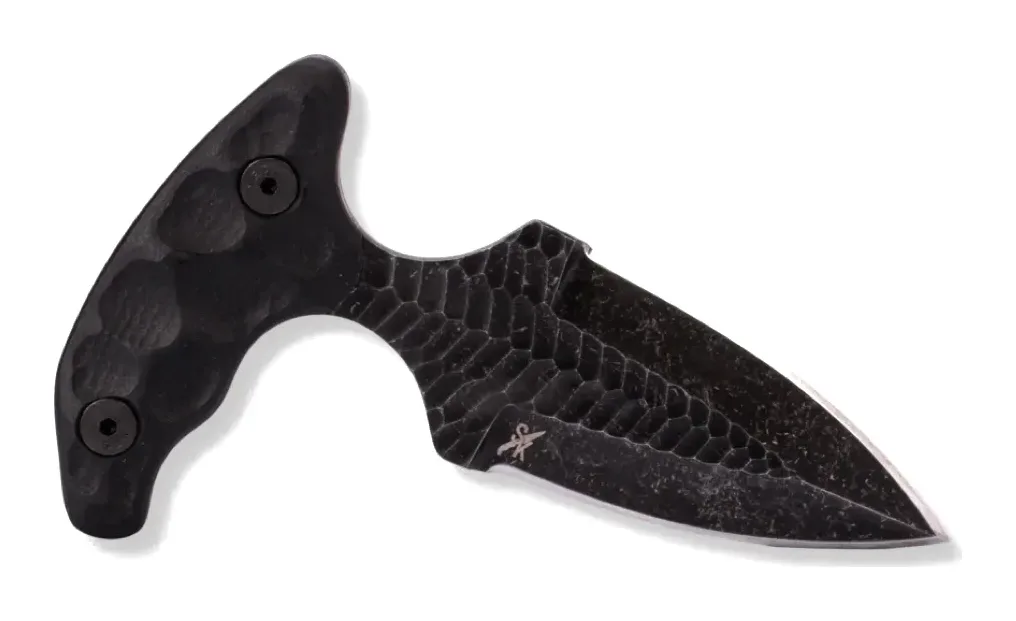
Tactically styled knives usually carry a coating. Originally this was corrosion resistance and reduced glare. It works, and it has costs: coatings wear unevenly, they can increase friction through a cut, and once worn through the steel underneath is bare anyway.
Our blades come acid etched or Cerakoted depending on the model, which is a middle position. The etch is a controlled oxide rather than a paint.
Handle design
Field knives aim for comfort over long sessions. Smoother shaping, fewer aggressive textures, because a handle that grips hard also raises blisters over an hour of carving.
Tactically styled knives often have aggressive texturing and pronounced jimping, prioritising retention in wet or gloved hands over long session comfort.
Try holding both hard for thirty seconds. Any hot spot you can feel then is a blister in an hour.
So which should you buy
Ask what you do with a knife in a normal month.
If the answer is food, cord, packaging, game, wood and the occasional awkward job, you want the field knife. Finer point, thinner edge, comfortable handle. It will do everything the other one does and cut better doing it.
If you genuinely need a tool that survives abuse more than it needs to slice, go thicker and stronger. That is a real requirement for some trades: linemen, emergency services, anyone cutting through things that are not supposed to be cut.
For most buyers, most of the time, the field knife is the better tool and the tactical styling is the thing that sold it.
What we make, and why
Our knives are field knives. Drop point and Seaux blades with real belly, flat ground, 1095 at 58 to 59 HRC, 5/32 inch stock on the GP series and 3/16 on the TU series for people who want the heavier tool.
The TU series is the closest thing we make to the harder-use end of this, and it got there by being thicker rather than by changing the point or the grind. That is a deliberate choice: more spine for the knocks, same geometry that cuts properly.
The comparison page lays the whole range out, and what tactical actually means covers where the word came from.