What 'Tactical Knife' Actually Means
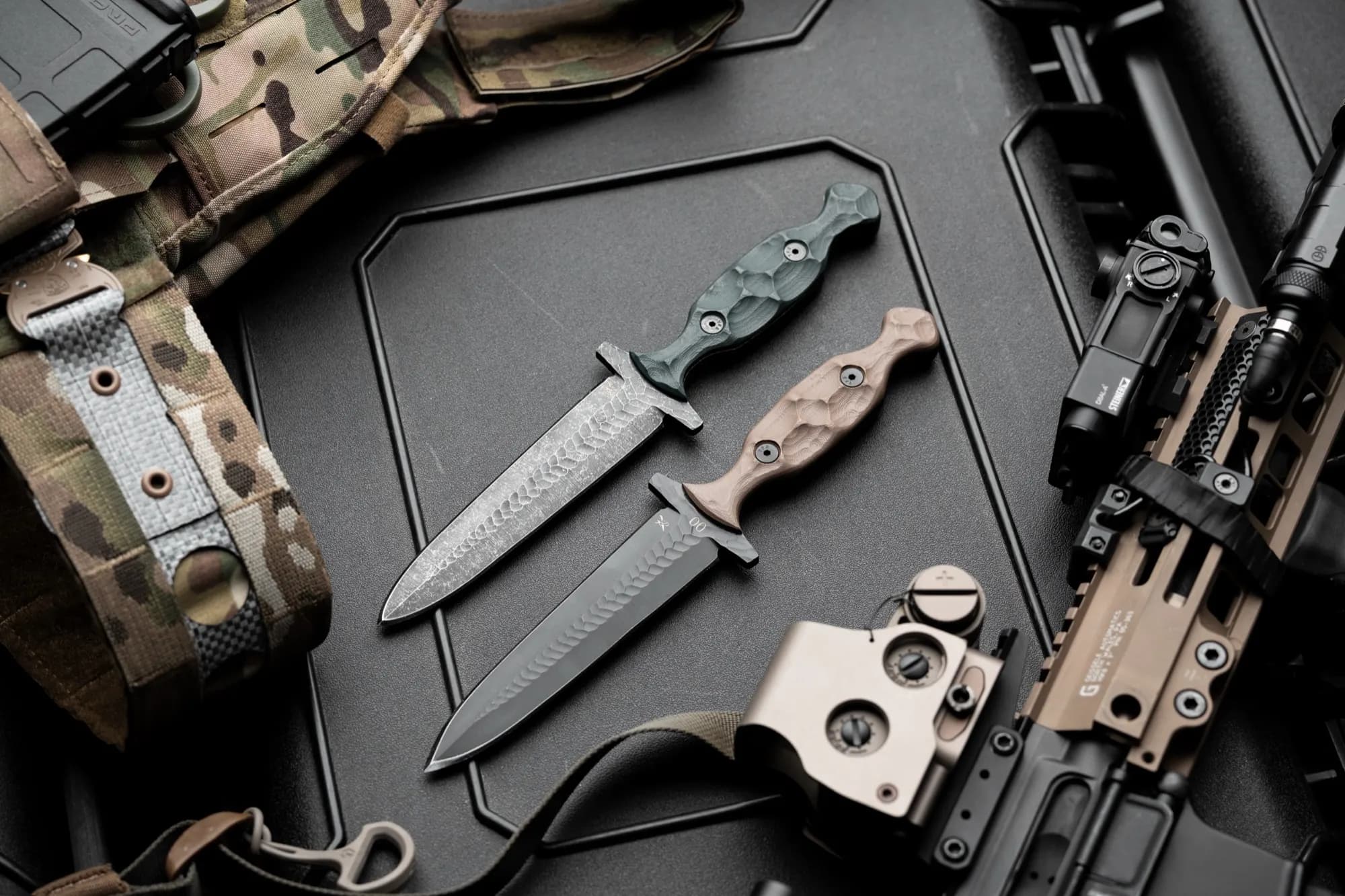
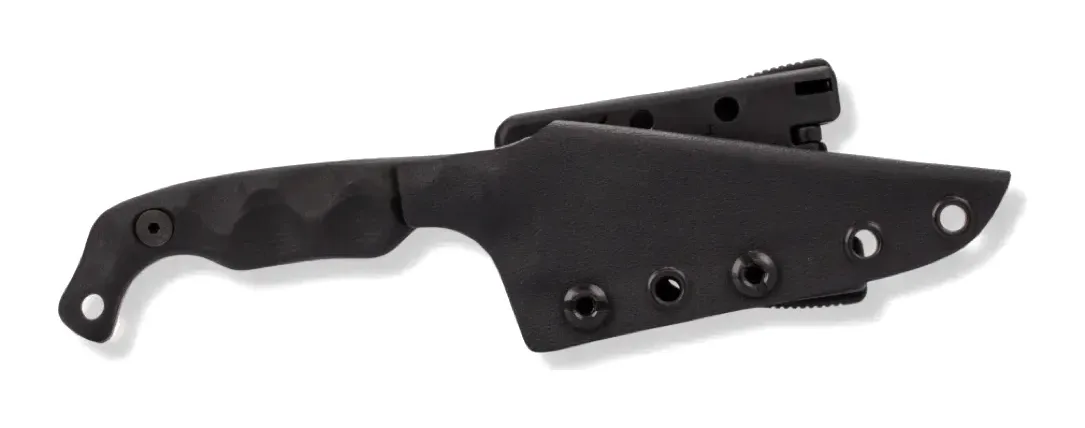
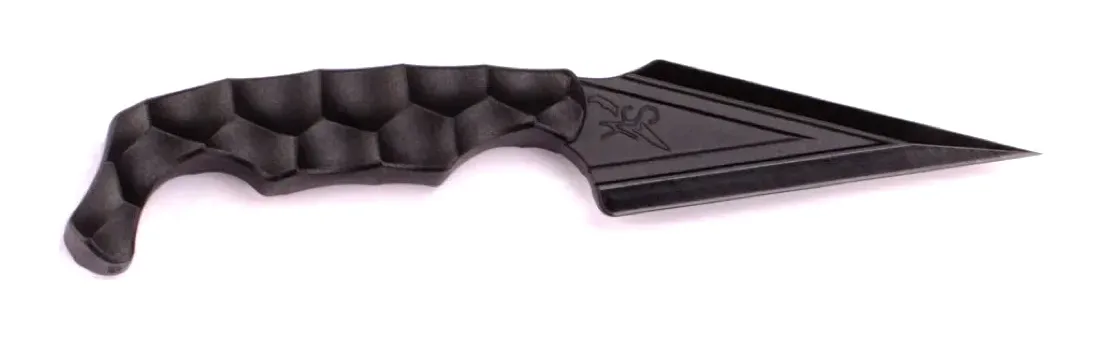
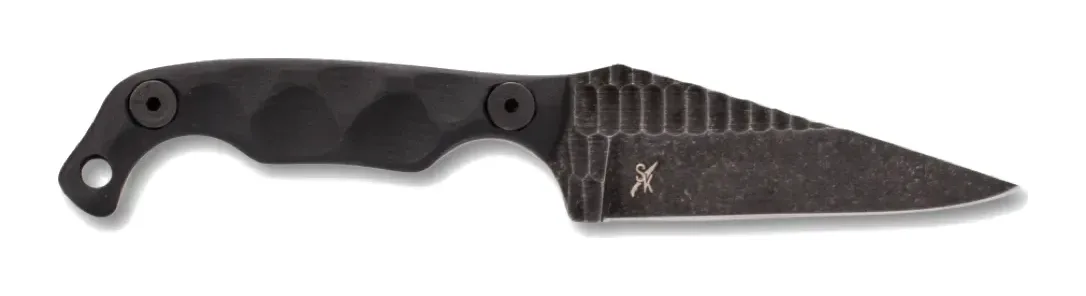
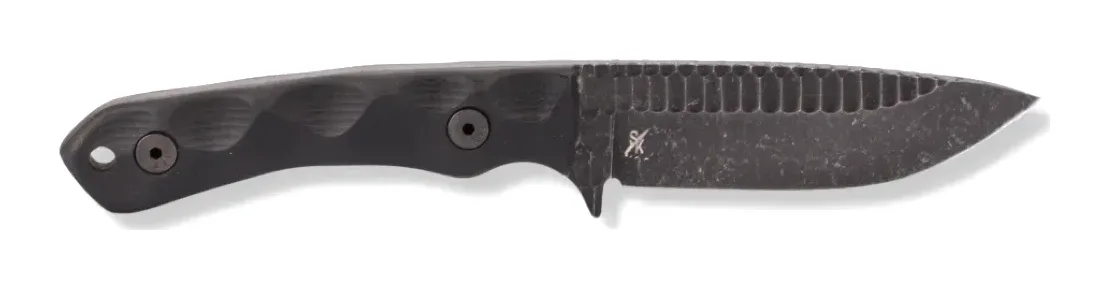
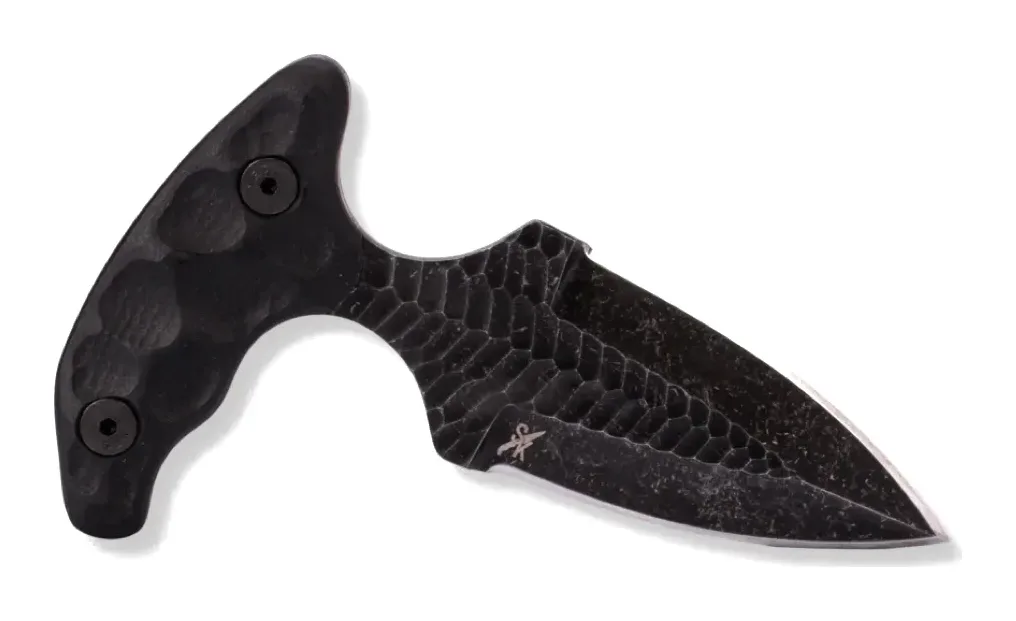
Walk into any outdoor shop and roughly a third of the knives will be described as tactical. Black coating, aggressive styling, a name with an edge to it.
Very few of them have anything in common beyond the adjective.
Where the word came from
The term entered knife language properly in the 1980s, largely through custom makers building for law enforcement and military buyers who wanted something more current than the pattern knives of the previous forty years.
Before that, a serviceman's knife was usually a general purpose fixed blade. The American issue knives of the Second World War were utility tools that happened to be carried by soldiers: a seven inch clip point, a leather washer handle, a simple guard. They opened crates, cut cord, dug holes and prepared food.
What the eighties makers were designing for was narrower. Folding knives that could be opened one handed. Corrosion resistant coatings. Grips that held in wet conditions. Pocket clips, which were genuinely novel at the time.
Those were real design responses to real requirements. The word described a set of features.
What it describes now
Almost nothing specific. The word has been applied to so many products that it has become a styling cue rather than a specification.
In practice, a knife marketed as tactical today will usually have some combination of:
A dark finish, originally for corrosion resistance and low visibility, now mostly aesthetic.
Aggressive geometry, meaning a prominent point, pronounced jimping and often an angular handle.
One handed opening, if it is a folder.
A name suggesting somewhere difficult.
None of those things make a knife cut better. Some of them make it cut worse. A thick point and a steep grind are stronger and less efficient, which is a reasonable trade for some jobs and a poor one for most.
The useful features that came out of it
It would be unfair to dismiss the whole category, because several genuinely good ideas came from it and spread everywhere.
The pocket clip. Now standard on almost every folder made, and it came from this corner of the market.
One handed opening. Useful to anyone holding something in the other hand, which is most people, most of the time.
Corrosion resistant coatings that actually work, rather than paint.
Grippy synthetic handle materials, particularly G10, which is now the default on working knives of every description because it holds grip when wet and does not move with humidity.
Modern hunting and bushcraft knives are better because of that lineage. That is worth acknowledging.
Where it is misleading
The difficulty with the word is that it sells geometry that does not suit what most buyers actually do.
A knife built to resist a point breaking under extreme load will have a thicker tip, which makes it worse at the fine work most people need: boning out a joint, opening a package without destroying the contents, trimming a line.
A steeply ground edge holds up to abuse and cuts poorly. A serrated section tears through webbing and is a nuisance for the other ninety nine percent of cutting.
If the knife is for your truck, your tackle box, your pack or your belt, those tradeoffs are usually the wrong way round for you.
A more useful question than the word
Rather than asking whether a knife is tactical, ask what it is shaped to do.
How thick is the stock, and how thin is it behind the edge? Where is the point in relation to the spine? How much belly is there? What does the grind do? Is the tang full?
Those questions tell you how a knife will behave. The adjective on the box does not.
We write our specifications out in full on every product page for that reason, and our guide to reading them explains what each number changes about the way a knife cuts.